
Process · 21 August 2026 · 6 min read
What Is a Retail Kiosk or RMU? Costs, Lead Times and Mall Rules
Quick answer: bespoke retail kiosks and RMUs in a UK shopping centre start from £45,000 plus VAT as a guide, installed, excluding design fees, with most mall standard units landing between £45,000 and £90,000 depending on size, glazing, lighting and stock display. Allow eight to twelve weeks from approved design to trading, which covers centre approvals, manufacture and an overnight installation outside trading hours.
A kiosk is the cheapest way into a shopping centre and the hardest thing to get approved. Small footprint, huge scrutiny. This is what the process really involves.
Kiosk, RMU or pop-up?
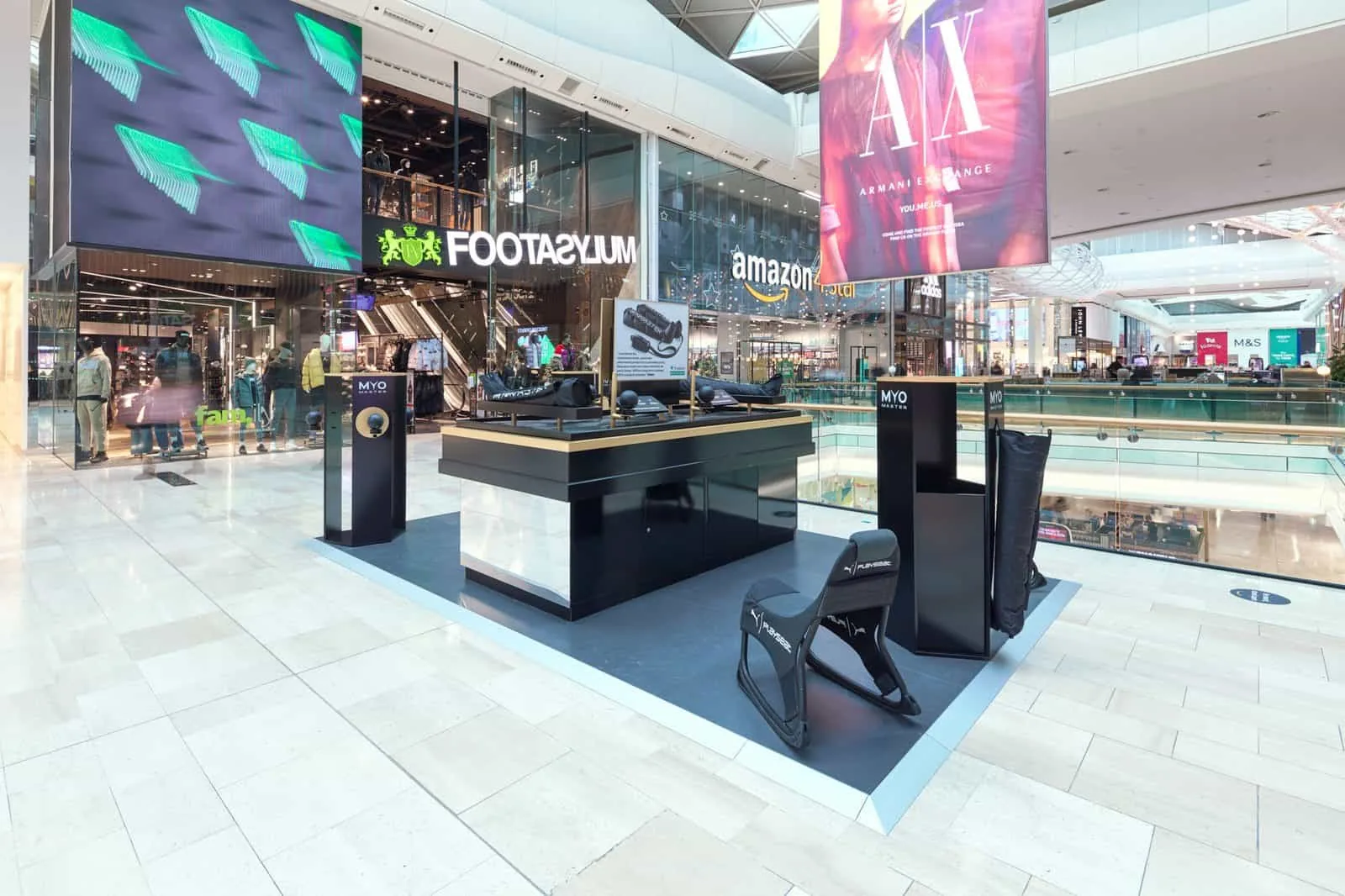
An RMU, or Retail Merchandising Unit, is the centre's standard term for a mid-mall trading unit, usually on a short licence, often demountable. A kiosk tends to be larger, more permanent, and more heavily branded. A pop-up is a short term take on either, built with reuse in mind.
The distinction matters commercially. A short licence rewards a unit you can relocate. A five year deal justifies a heavier build with integrated services.
What drives the cost
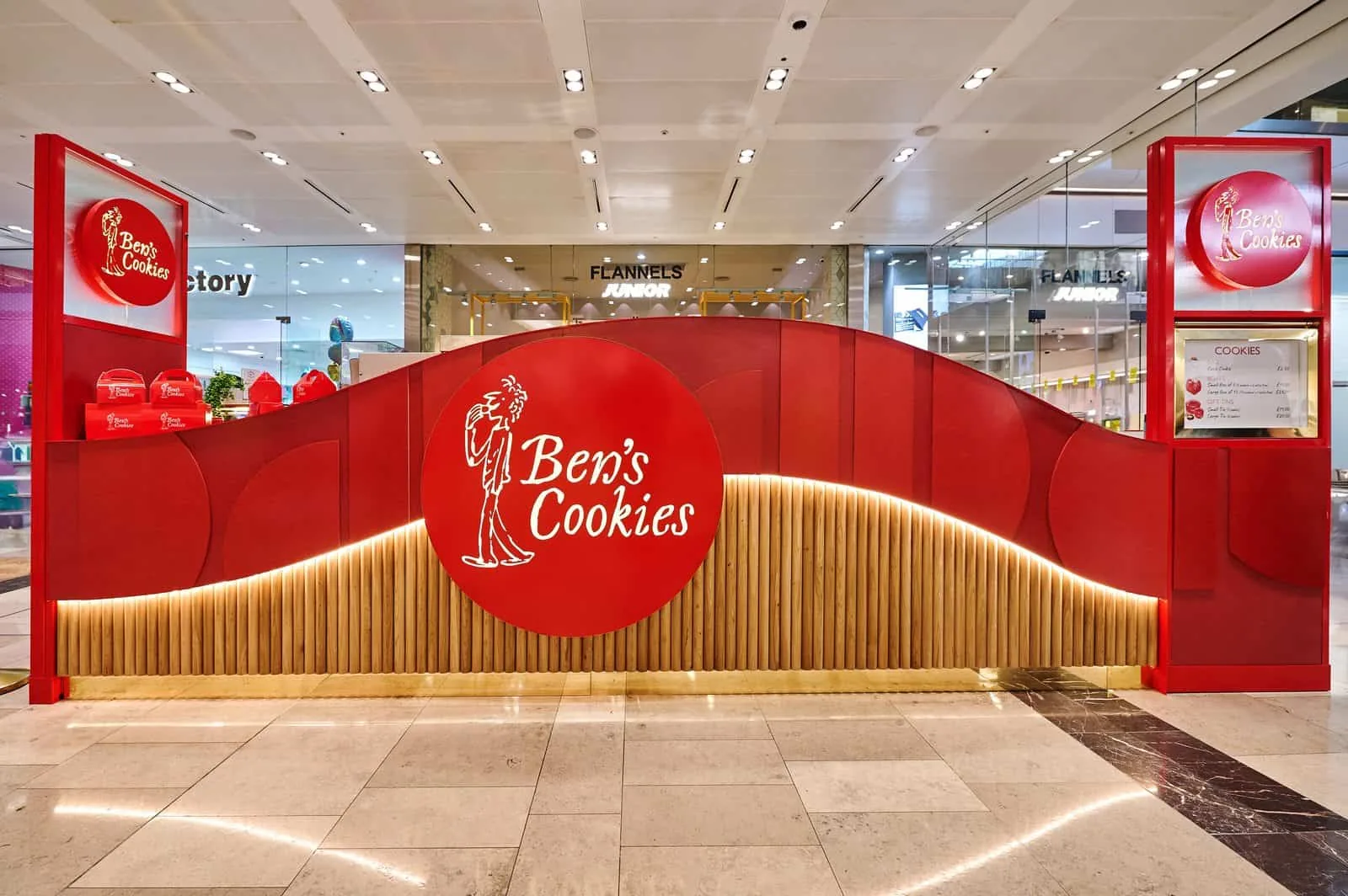
Footprint matters less than you would expect. What moves the number is glazing, lighting, refrigeration and how much of the unit has to be finished to a display standard.
- Size and shape, with curved or thermoformed elements costing more than flat panels
- Finishes, from laminate through veneer to solid surface and stone
- Services, including power drops, data, water and waste for food and drink
- Refrigeration and catering equipment, frequently the largest single item for food kiosks
- Lighting, signage and any illuminated or neon brand elements
- Installation window, since overnight and out of hours work carries a premium
What the centre will ask for
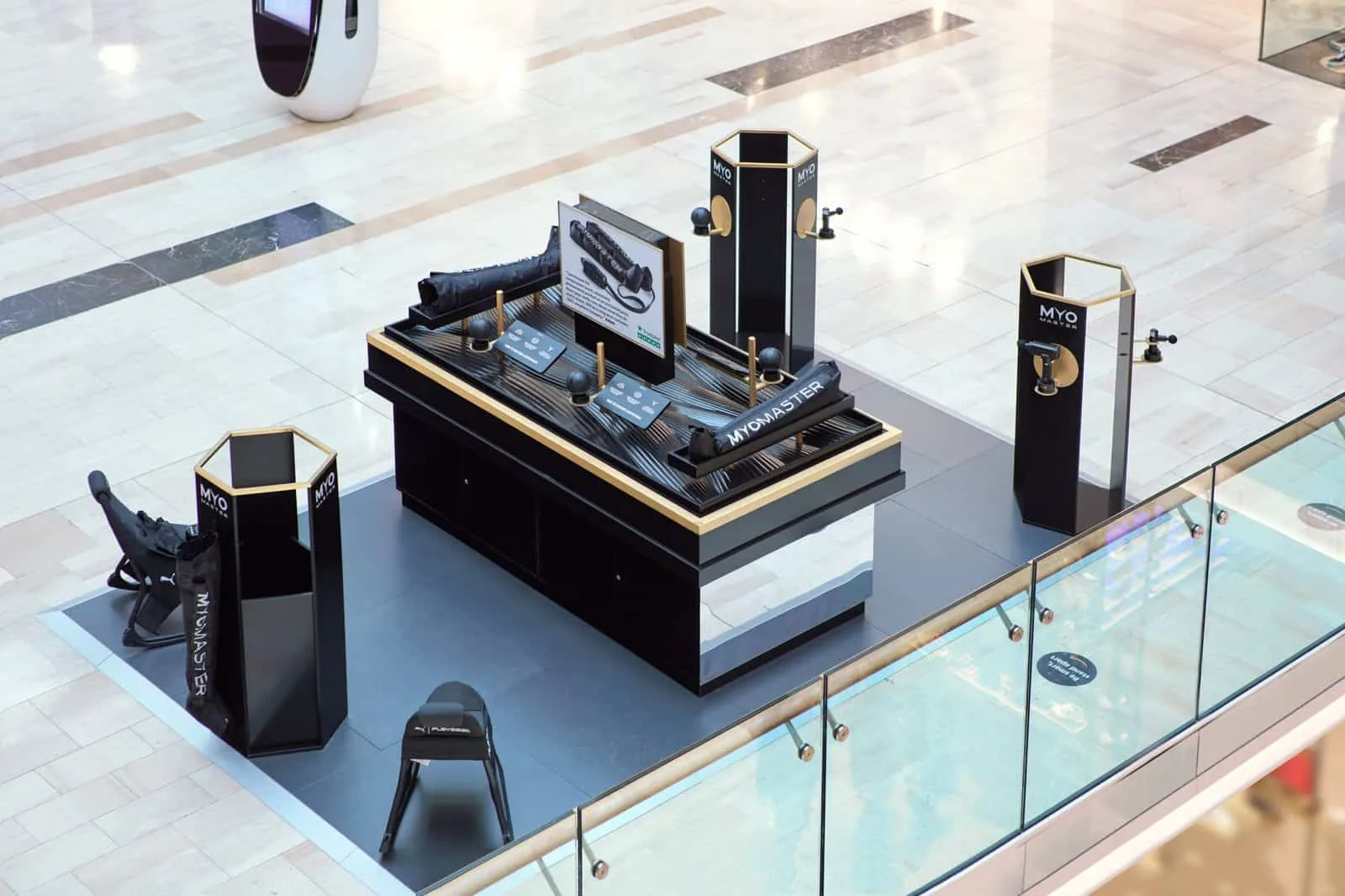
Every centre publishes a fit-out guide, and no two are identical. Expect to submit a pack for landlord approval before manufacture, and expect at least one round of comments.
- General arrangement, elevations and sections at scale
- Material samples and finishes schedule
- Fire ratings and certification for all applied materials
- Electrical design and a qualified contractor's details
- Method statements and risk assessments for the installation
- Public liability insurance and contractor accreditations
- Weight loading and floor protection details for mall floors
The programme, week by week
Eight to twelve weeks is realistic for a bespoke unit. Compressing it is possible, but it usually costs the same money in expedited materials that a longer programme would have saved.
| Stage | Typical duration |
|---|---|
| Brief, concept and design development | 1 to 2 weeks |
| Centre approval and comments | 2 to 3 weeks |
| Manufacture in the workshop | 3 to 5 weeks |
| Delivery and overnight installation | 1 to 3 nights |
| Snagging, commissioning and handover | 2 to 3 days |
Installing overnight in a live centre
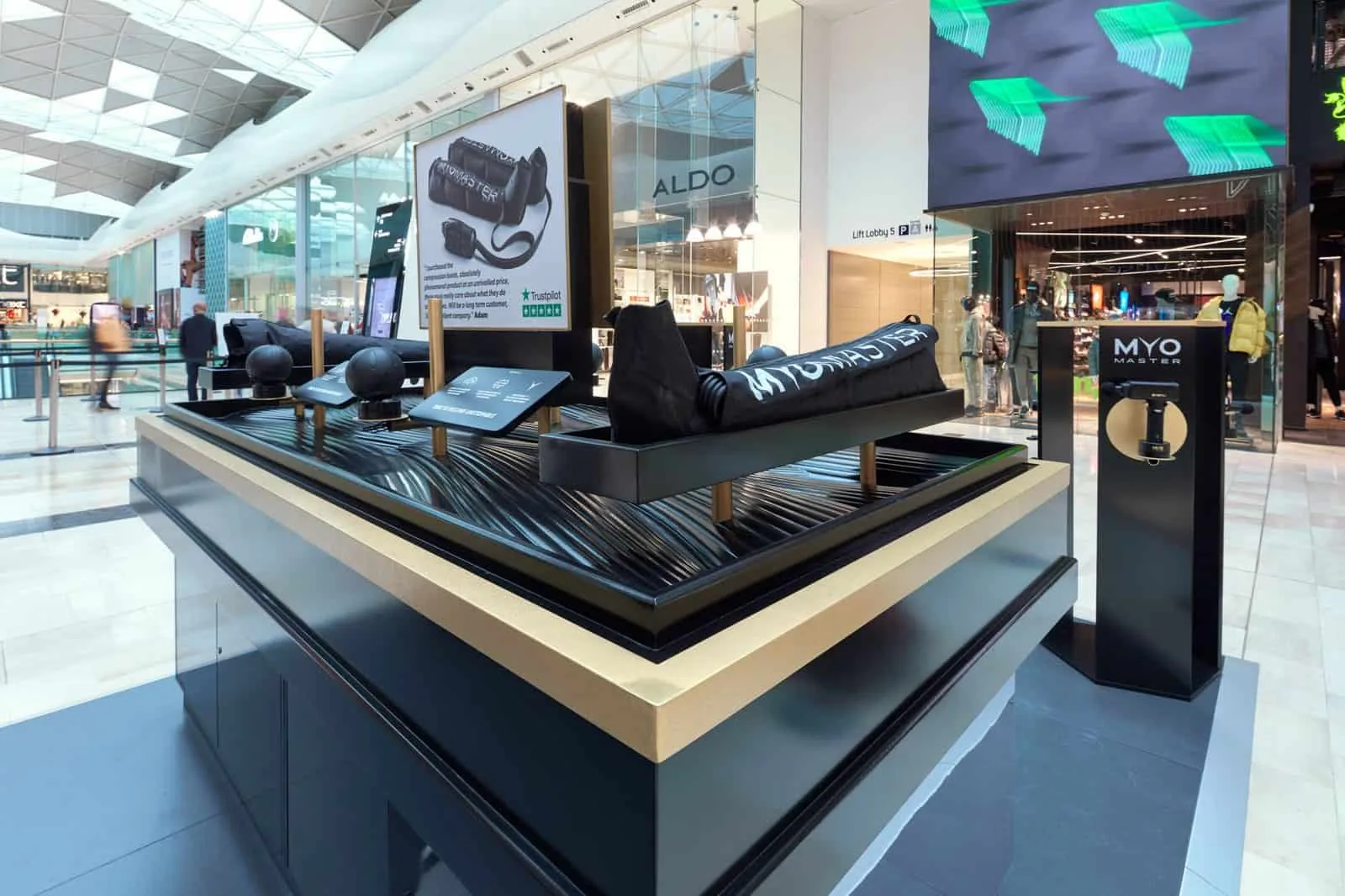
Mall installations happen after the shutters come down and must be finished before they go back up. That means a pre-planned delivery slot, floor protection, a lift or service route booked in advance, and a unit built in sections sized to the goods lift.
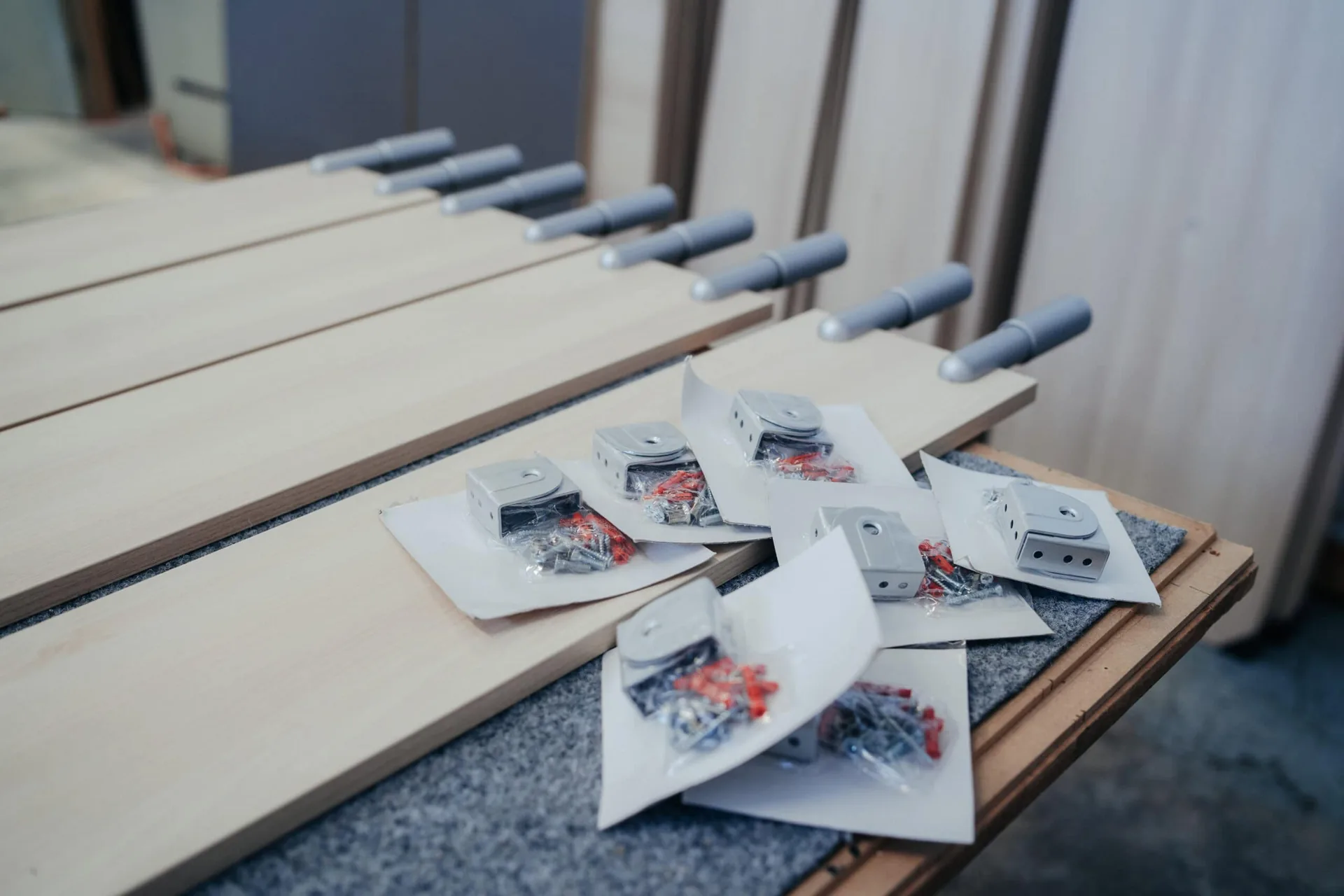
This is where a kiosk is either designed for installation or fought onto site. We build ours as a kit of parts, dry-fitted in the Cardiff workshop first, so the night on site is assembly rather than problem solving.
FAQs
Common questions
How much does a retail kiosk or RMU cost in the UK?
Bespoke retail kiosks start from £45,000 plus VAT as a guide, installed, excluding design fees. Most mall standard units land between £45,000 and £90,000 depending on size, glazing, lighting and stock display. Food and beverage units cost more because of extraction, water, drainage and equipment integration.
What is the difference between a kiosk and an RMU?
An RMU, or Retail Merchandising Unit, is a smaller mid-mall unit, often around 2m x 1.2m and usually taken on a short licence. A kiosk is a larger, more permanent island unit on a defined demise with power and data, let on a longer agreement and subject to full landlord approval.
How long does a kiosk take from design to trading?
Eight to twelve weeks is realistic for a bespoke unit: one to two weeks of concept design, two to three weeks of centre approval, three to five weeks of manufacture and one to three nights of overnight installation.
What will the shopping centre ask for before approving a kiosk?
General arrangement and elevation drawings, material samples and fire certification, an electrical and lighting specification, confirmation that nothing breaches the demise line or height limit, accessibility compliance, plus RAMS, insurance and an out-of-hours installation method statement.
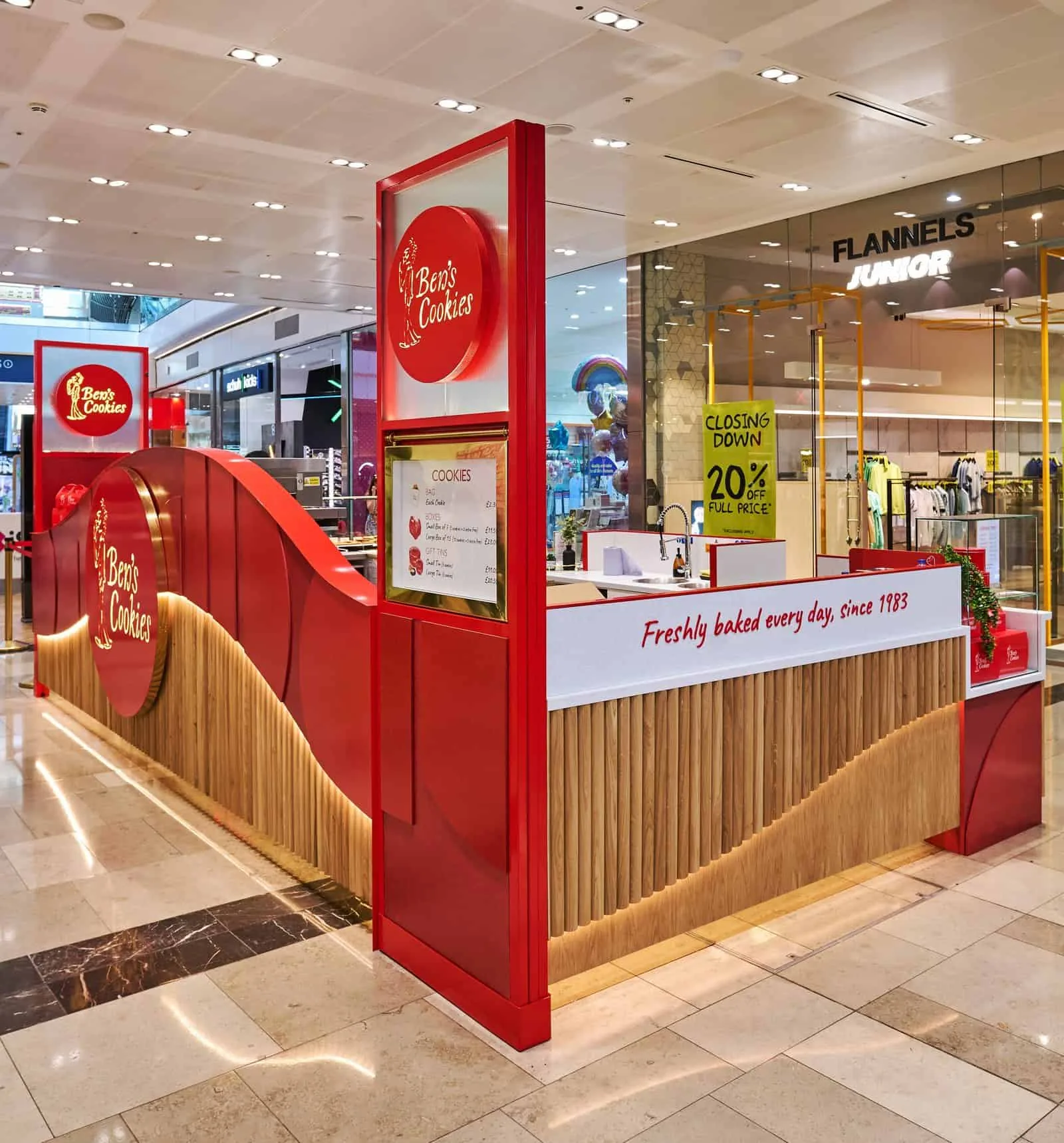
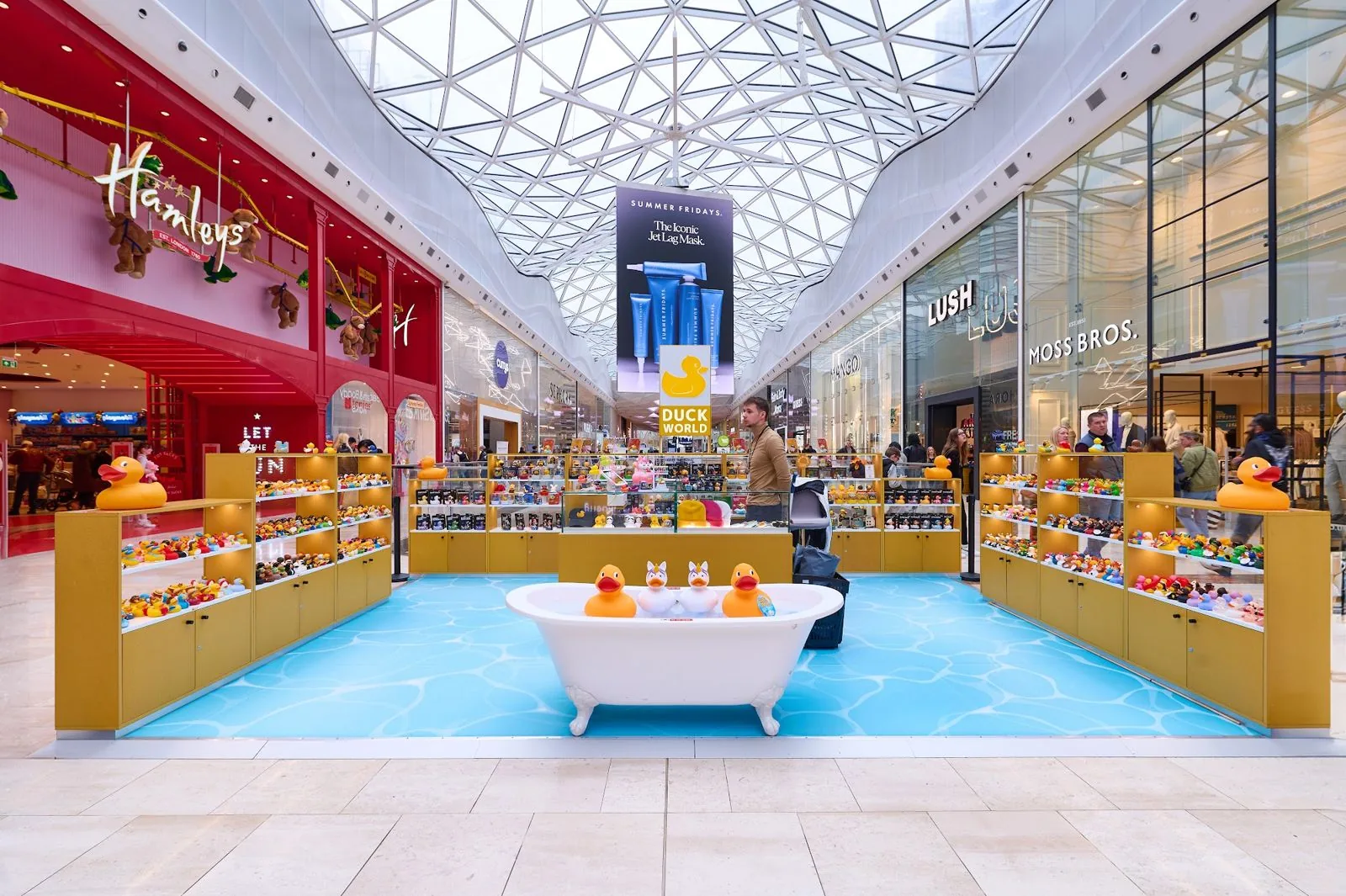
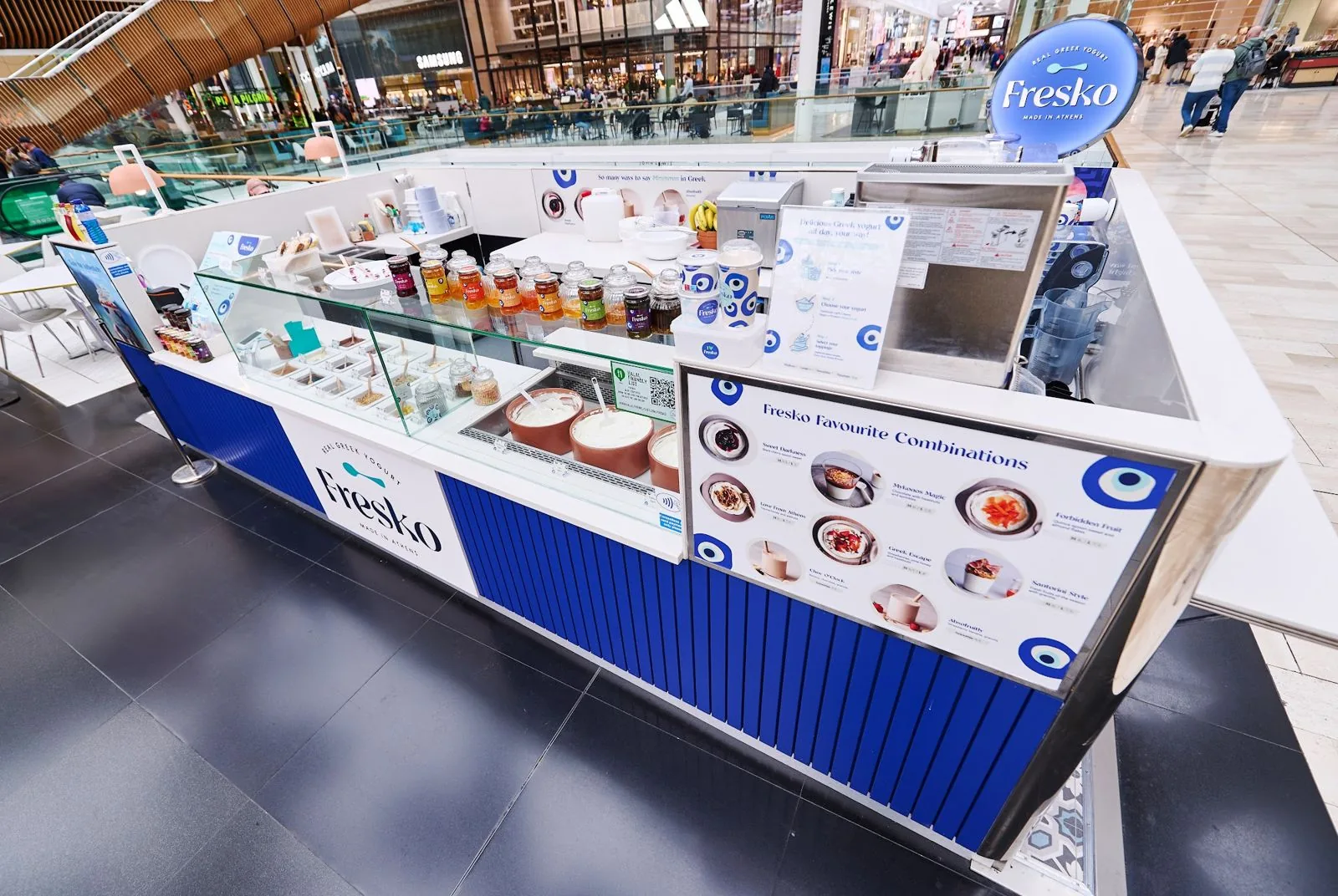
Project gallery
Tell us the centre, the unit size and your trading date, and we will map the approval pack and the programme with you.
Written by
Oli Williams, Founder and Managing Director
RAF veteran who founded OLLYWOOD in 2019, with 20 plus years of project management experience in shopfitting and retail fit-out.
Keep reading
Buying Guides
How to Choose a Fit-Out Company in South Wales
Read →
Project stories
Data Power Tools: A Trade Counter That Works
Read →
Project stories
Gelert Post Production Studio: From Shell to Studio
Read →
Budgets
What Does a Retail Fit-Out Cost in the UK?
Read →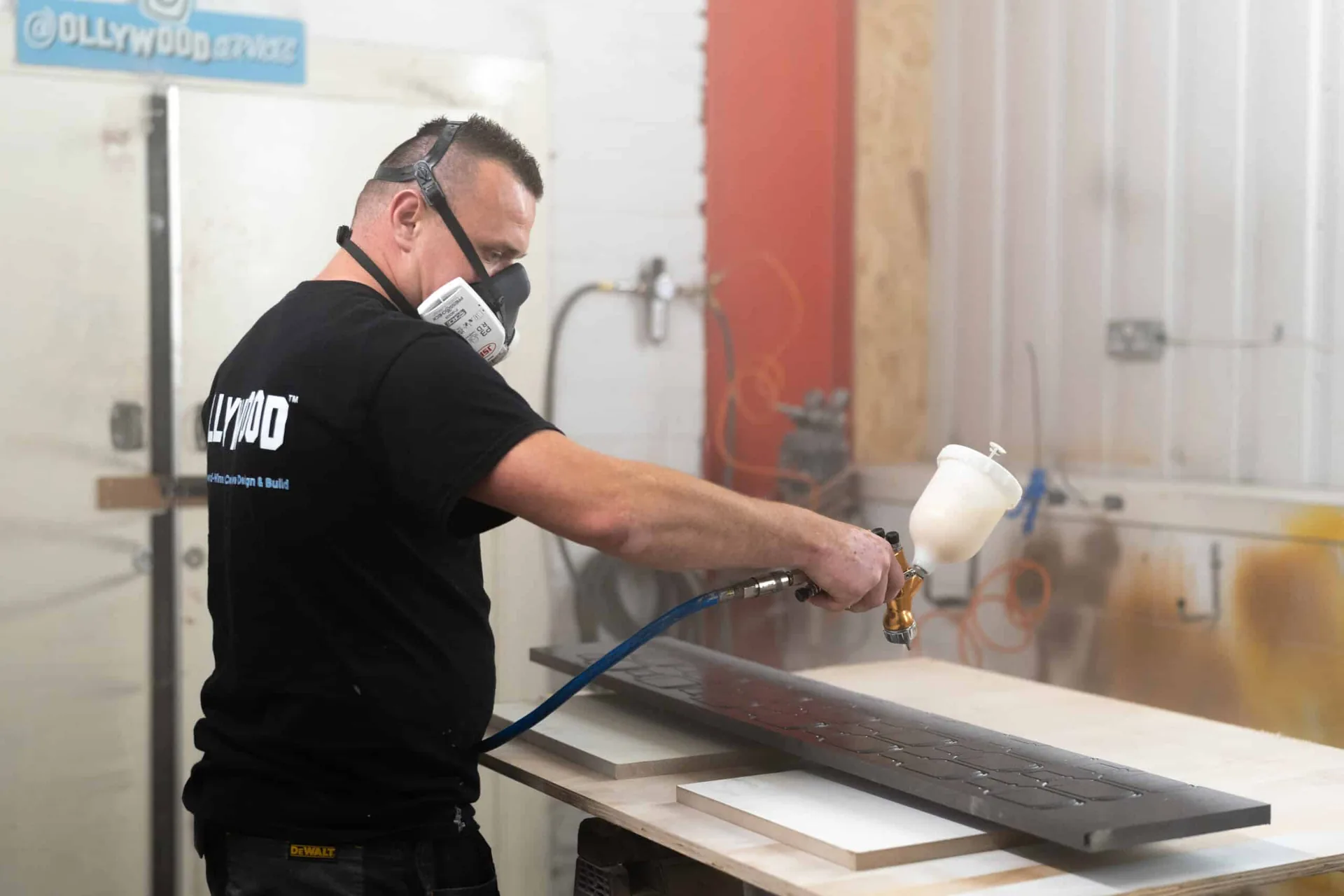
Choosing a contractor
How to Choose a Shopfitter: 10 Questions to Ask
Read →Process
Landlord Approval for Retail Fit-Outs: A Practical Guide
Read →
Choosing a contractor
What Is a Shopfitter? The Difference Between Shopfitter, Builder and Interior Designer
Read →
Trends
Retail Shopfitting Trends for 2026
Read →
Sustainability
Sustainable Shopfitting: How to Build Retail That Lasts
Read →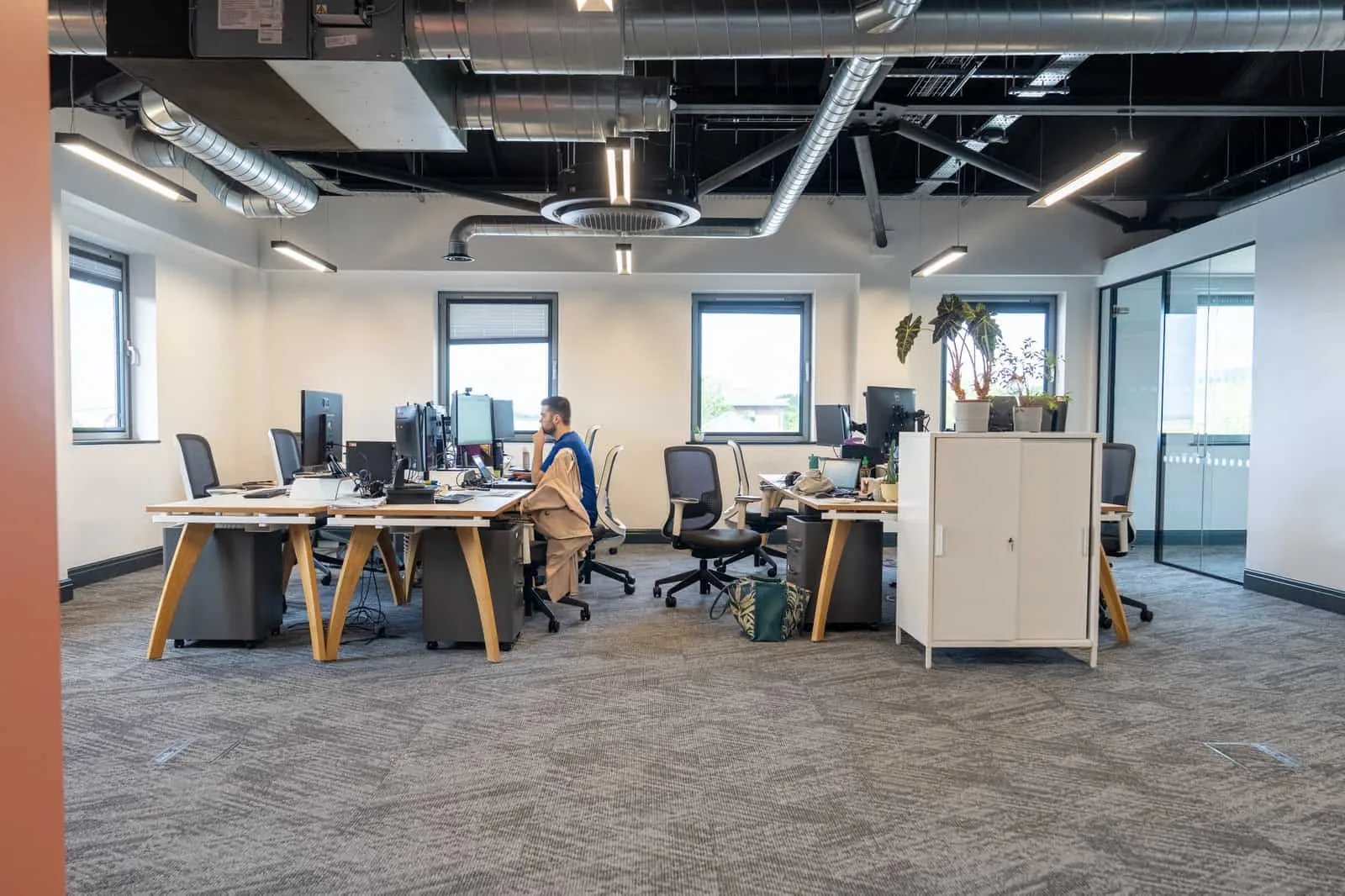
Budgets
Office Fit-Out Costs 2026: Real Prices Per Square Foot
Read →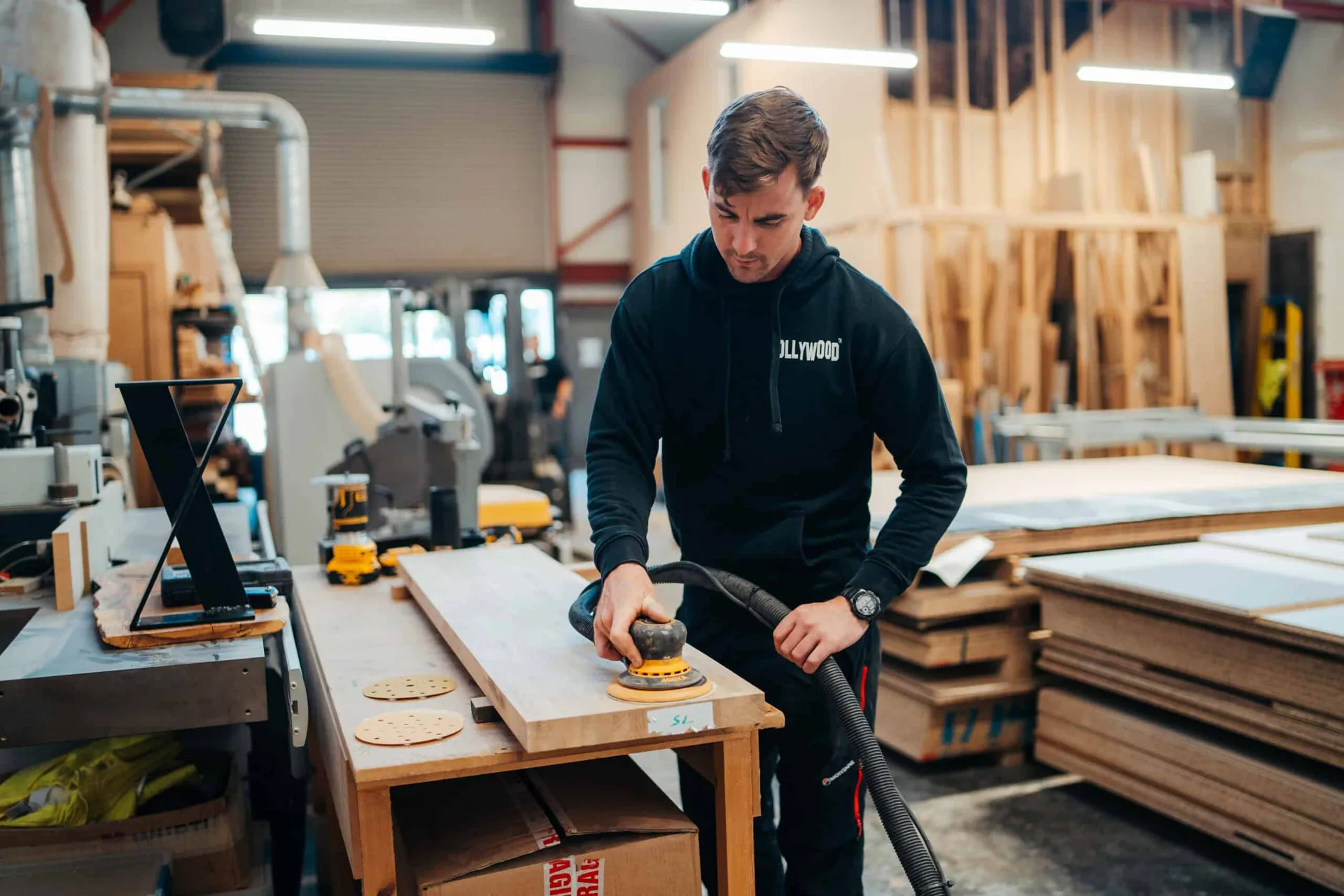
Materials
Corian and Solid Surface Worktops: Costs, Care and Where They Win
Read →Budgets
Shop Fitting Costs: What You Pay Per Square Metre
Read →Kiosks
Opening a Kiosk in a Shopping Centre: Rules, Approvals and Lead Times
Read →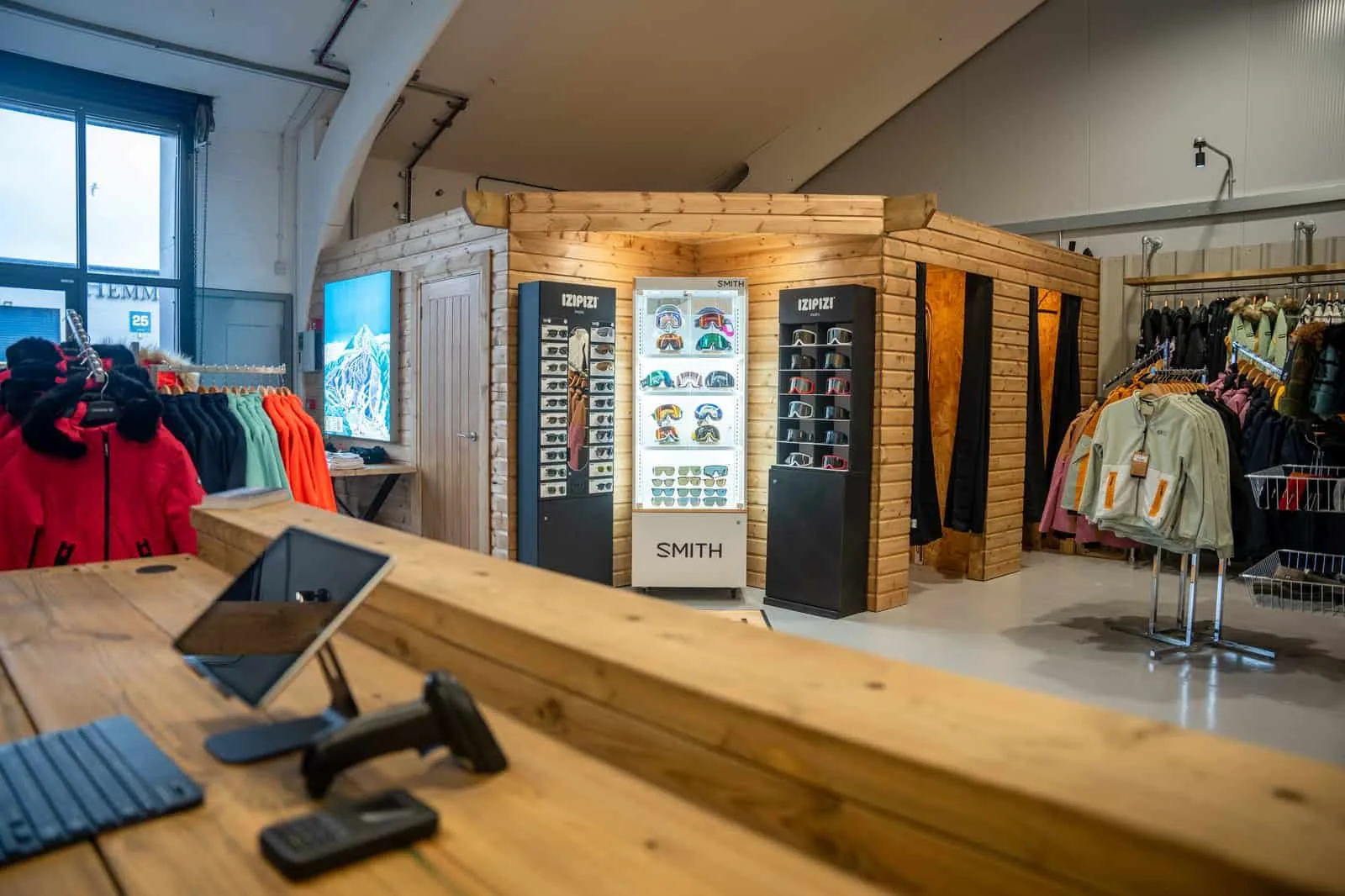
Materials
Bespoke Joinery or Off-the-Shelf: What Retail Should Actually Buy
Read →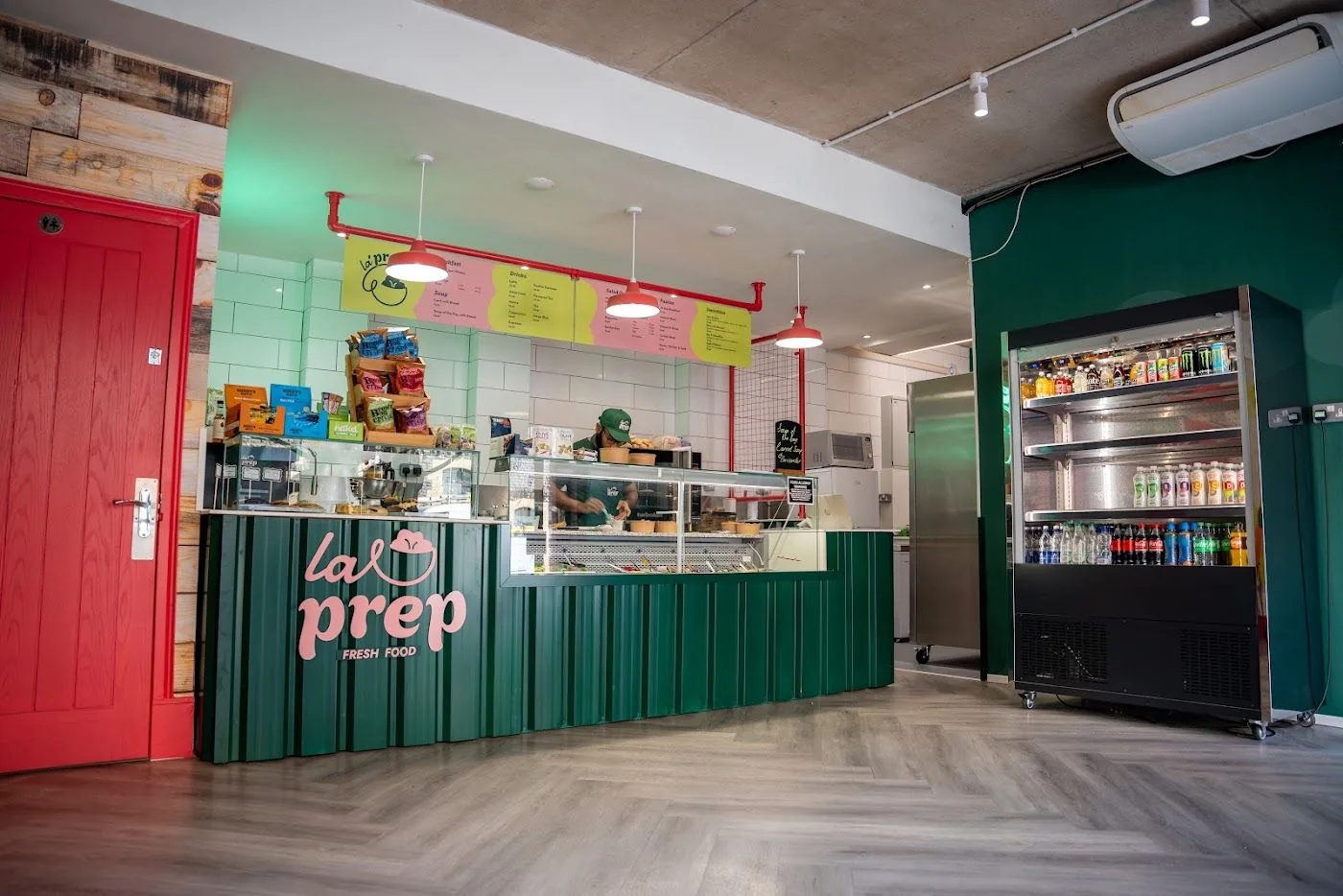
Budgets
Cafe Fit-Out Cost: Real 2026 Budgets
Read →Budgets
Cat A vs Cat B Fit-Out: Costs and Differences
Read →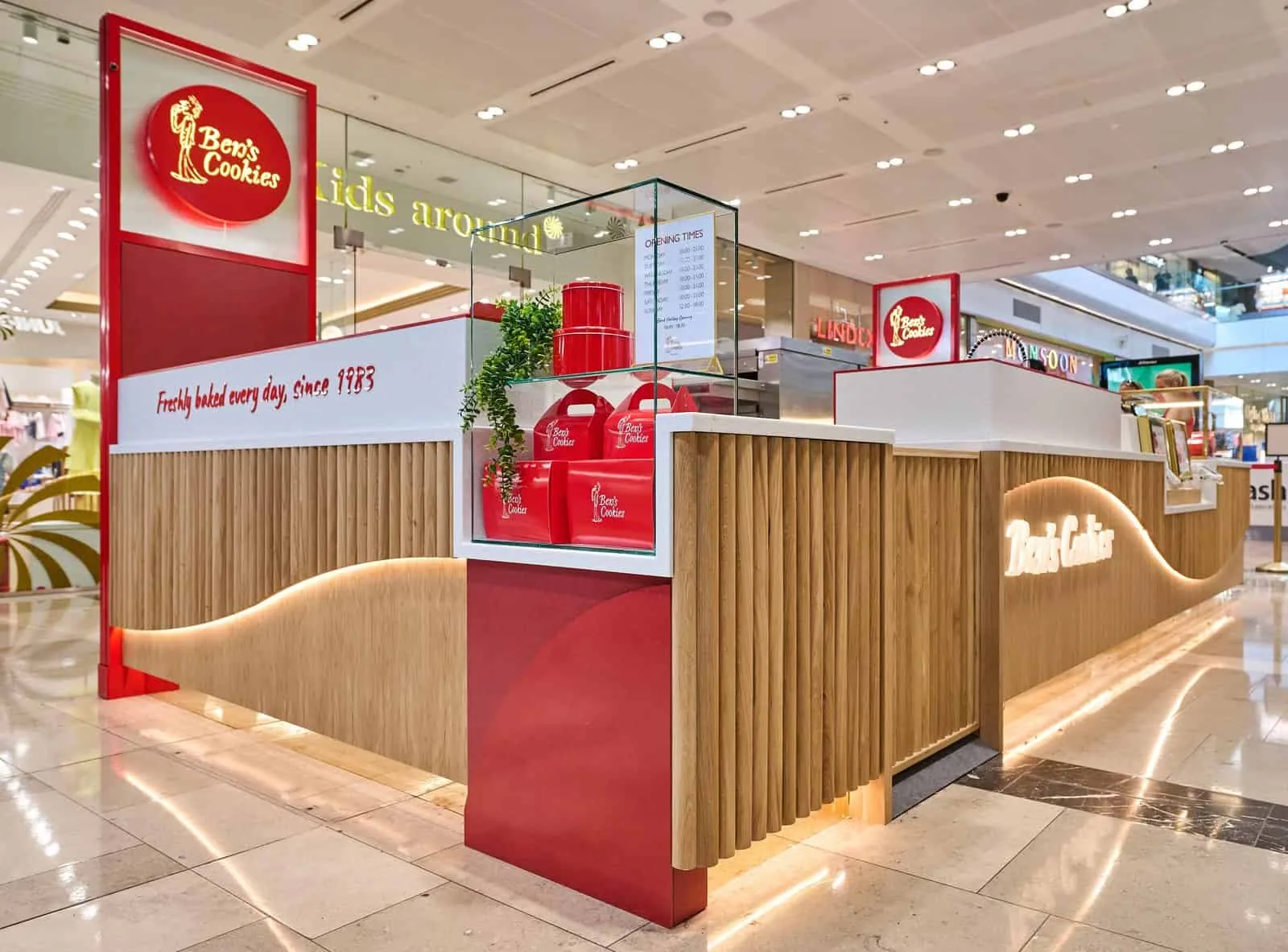
Design
Shop Counter Design: Sizes, Materials and Costs
Read →