
Materials · 21 August 2026 · 6 min read
Corian and Solid Surface Worktops: Costs, Care and Where They Win
Quick answer: Corian and other solid surfaces typically cost £400 to £750 per linear metre supplied and installed in the UK, depending on thickness, edge detail and colour. It is a mineral filled acrylic that is thermoformed and joined with an adhesive of the same material, so joints are invisible and scratches can be sanded out. It is not as heat or scratch resistant as quartz or granite, but it is the only one of the three that can be repaired in place.
Solid surface is the material behind most seamless counters, reception desks and curved retail fixtures you have admired without knowing why. Here is how it is made, what it costs, and where it beats stone.
Need a Corian worktop or counter made?
We cut, form and finish solid surface in our own Cardiff workshop and fit it nationwide.
What solid surface actually is
Corian is the best known brand, but the category also includes Hi-Macs, Staron, Hanex and others. All are roughly two thirds natural mineral and one third acrylic resin, cast into sheets and colour matched.
Two properties make it unusual. It can be heated and bent into curves, and two pieces bonded with a matching adhesive behave as one, so a run of counter can turn a corner or rise into an upstand with no visible line at all.
Costs, honestly
Prices vary with colour group, sheet thickness and how much fabrication the shape demands. A straight kitchen run is at the bottom of the range, a curved reception desk with integrated lighting is at the top.
| Material | Typical supplied and fitted | Repairable? |
|---|---|---|
| Laminate | £100 to £250 per linear metre | No |
| Solid surface (Corian and equivalents) | £400 to £750 per linear metre | Yes, sanded in place |
| Quartz | £400 to £800 per linear metre | Rarely, specialist only |
| Granite and marble | £450 to £900+ per linear metre | Limited |
Corian worktop price per metre, broken down
Most quotes are per linear metre of worktop at a standard 600mm depth. If you are pricing a counter, desk or wall cladding, it helps to think per square metre instead. These are typical UK supplied and fitted ranges, excluding VAT.
| Item | Typical price | What moves it |
|---|---|---|
| Straight worktop run, 12mm, 600mm deep | £400 to £550 per linear metre | Colour group, edge profile |
| Worktop with upstand and bonded corner | £500 to £650 per linear metre | Upstand height, number of joints |
| Curved or thermoformed counter | £600 to £750+ per linear metre | Radius, moulds, integrated lighting |
| Per square metre equivalent | Roughly £650 to £1,250 per square metre | Thickness, fabrication complexity |
| Integrated sink or bowl | Add £250 to £600 each | Bowl model, cut-out detail |
Corian vs quartz vs laminate
Laminate is the budget option and is fine where nothing is curved and nothing needs repairing. Quartz is harder and copes better with heat, but joints are visible and damage is hard to fix. Corian sits between them on price and wins wherever shape, seamless joins or long term repair matter, which is why it is the default for commercial counters and reception desks.
| Laminate | Corian / solid surface | Quartz | |
|---|---|---|---|
| Price per linear metre fitted | £100 to £250 | £400 to £750 | £400 to £800 |
| Visible joints | Yes | No | Yes |
| Curves and integrated sinks | No | Yes | Limited |
| Heat resistance | Low | Medium | High |
| Repairable on site | No | Yes | Rarely |
Where it wins, and where it does not
Choose solid surface when the shape matters, when hygiene matters, or when the piece will take daily commercial punishment and needs to look new for years.
- Wins: seamless joints, integrated sinks and bowls, curved and thermoformed shapes
- Wins: hygiene, since there is no porous grout line or visible seam for bacteria
- Wins: repairability, because scratches and scuffs sand out on site
- Loses: direct heat, so a hot pan straight from the hob can mark it
- Loses: scratch hardness against quartz, though the trade-off is that quartz cannot be repaired
Looking after it
Day to day, warm soapy water and a non abrasive cream cleaner is all a matt finish needs. Use a chopping board and a trivet, and wipe strong chemicals off promptly.
If it does get marked, that is the point of the material. Light scratches lift with a fine abrasive pad worked evenly along the surface. Deeper damage, burns or chips can be cut out and a new section bonded in by a fabricator, and once sanded back the repair is invisible.
Specifying it properly
Give your fabricator a template, not a drawing, wherever the existing walls are involved. Agree the edge profile, the finish level (matt, satin or gloss), and whether upstands are bonded or loose, before manufacture starts. Darker colours and gloss finishes show wear faster, which is why most commercial counters are specified in mid tone matt.
Need a Corian worktop or counter made?
We cut, form and finish solid surface in our own Cardiff workshop and fit it nationwide.
FAQs
Common questions
How much is a Corian worktop per metre?
Typically £400 to £750 per linear metre supplied and fitted in the UK, excluding VAT. Straight runs sit at the bottom of the range, curved or thermoformed pieces at the top.
Is Corian cheaper than quartz?
They overlap on price. Corian is usually similar or slightly cheaper for straight runs, and better value where you need curves, seamless joints or integrated sinks.
Can Corian be repaired?
Yes. Scratches sand out on site and damaged sections can be cut out and a new piece bonded in invisibly. Quartz and laminate cannot be repaired the same way.
Do you fabricate Corian in Cardiff?
Yes. We cut, thermoform, bond and finish solid surface in our own workshop at Quay Point, Cardiff, and install it with our own team across the UK.
Project gallery
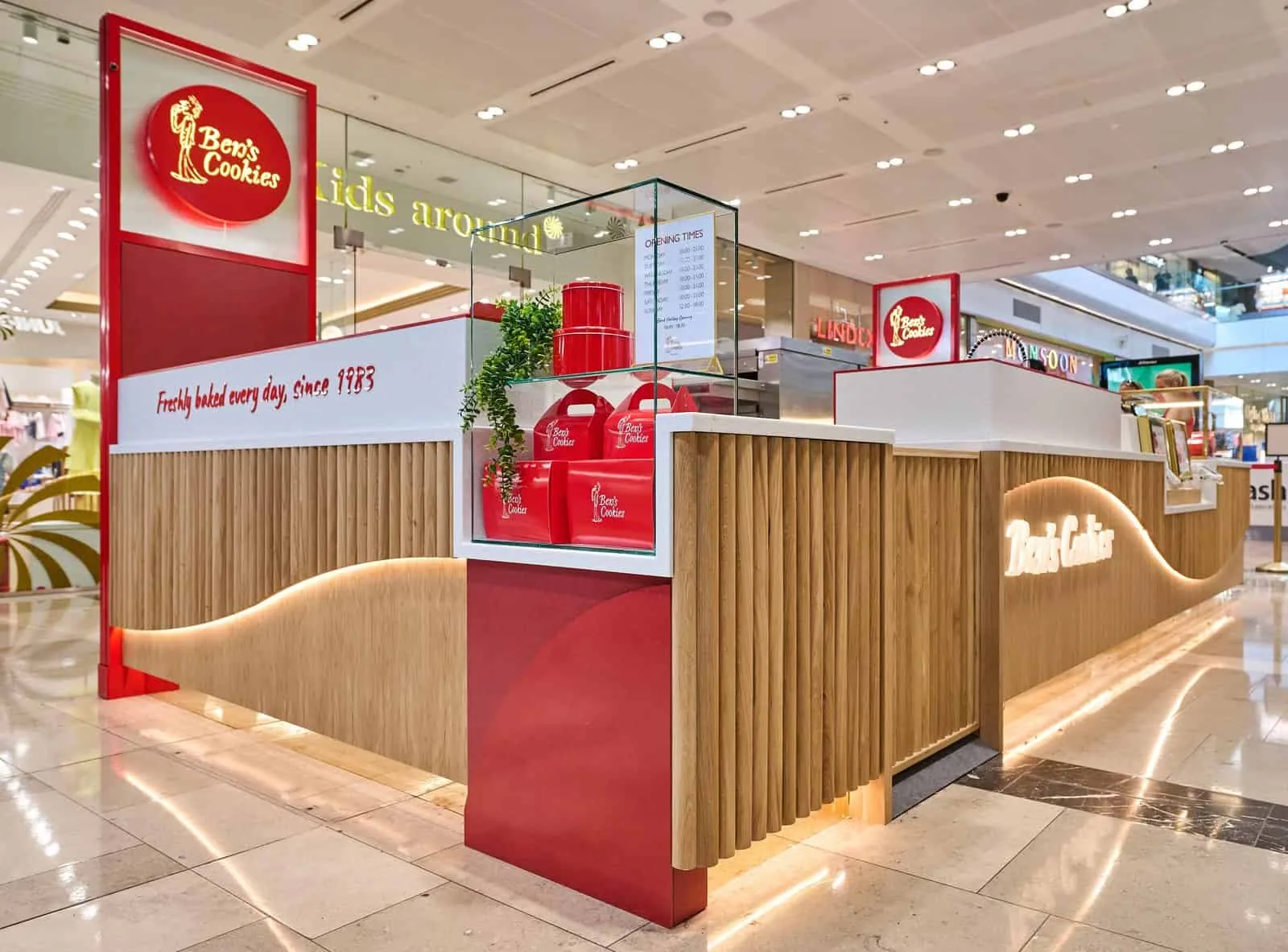
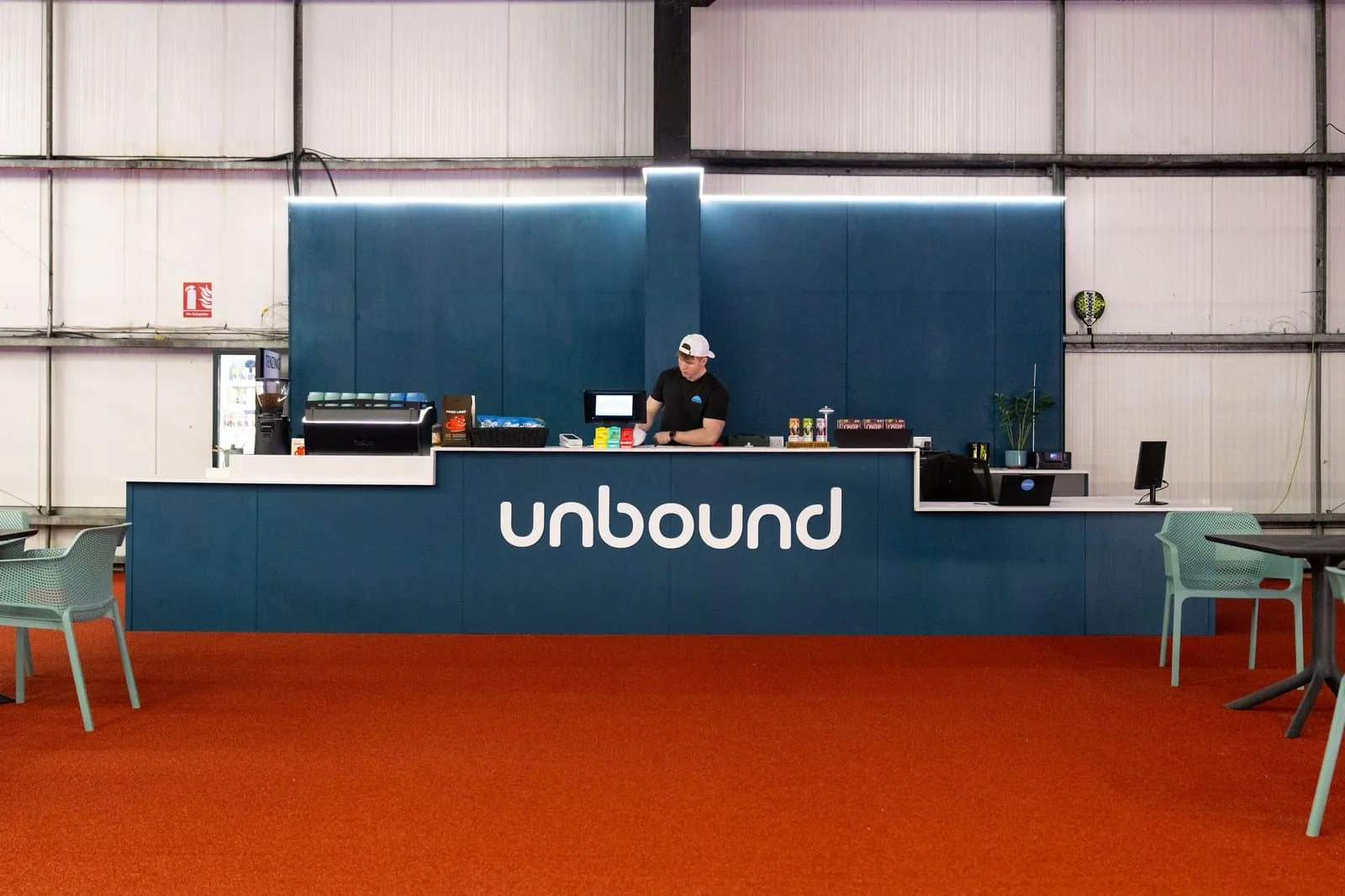
Send us your drawings and we will quote the solid surface fabrication, made and installed by our own team in Cardiff.
Written by
Oli Williams, Founder and Managing Director
RAF veteran who founded OLLYWOOD in 2019, with 20 plus years of project management experience in shopfitting and retail fit-out.
Keep reading
Buying Guides
How to Choose a Fit-Out Company in South Wales
Read →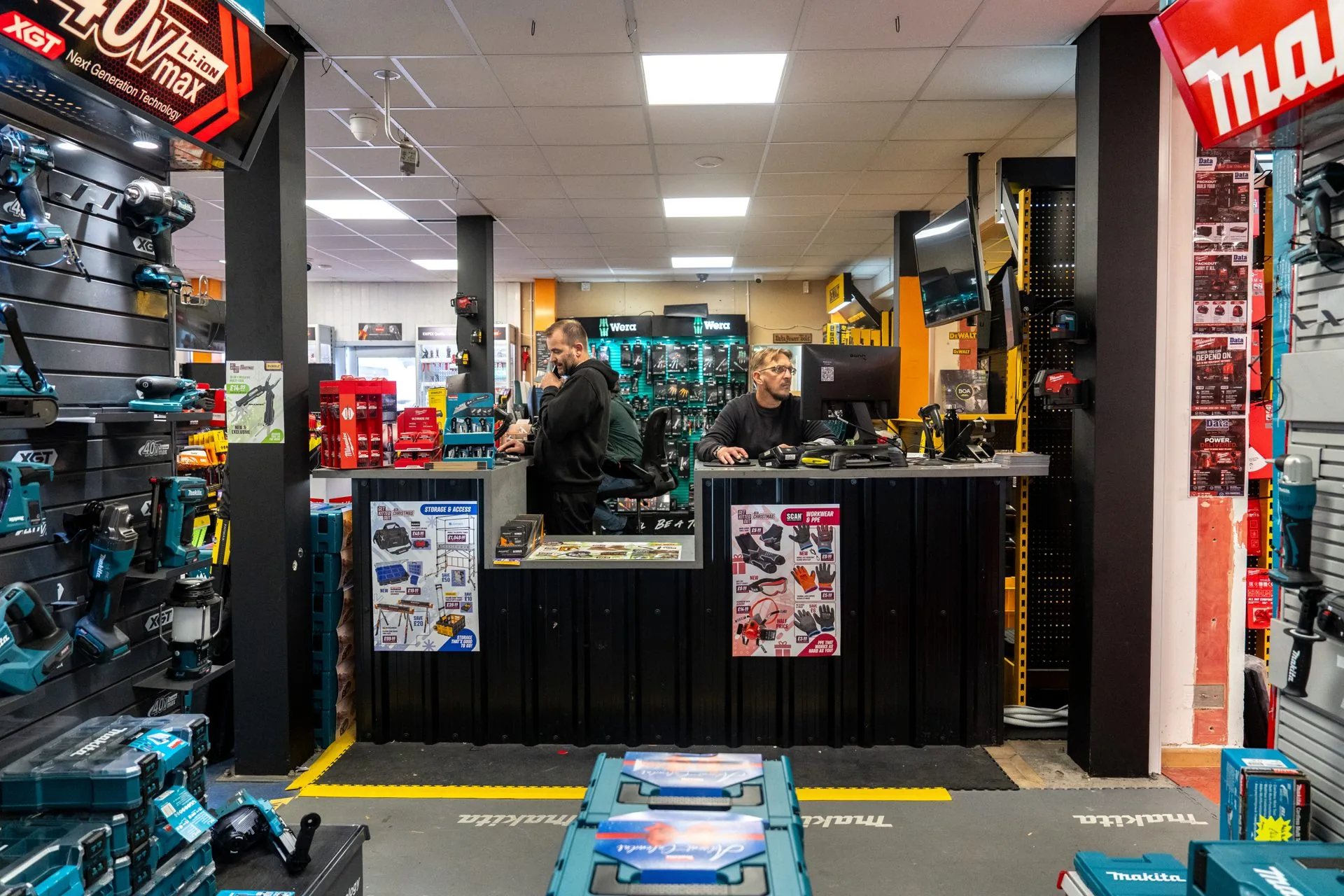
Project stories
Data Power Tools: A Trade Counter That Works
Read →
Project stories
Gelert Post Production Studio: From Shell to Studio
Read →
Budgets
What Does a Retail Fit-Out Cost in the UK?
Read →
Choosing a contractor
How to Choose a Shopfitter: 10 Questions to Ask
Read →
Process
Landlord Approval for Retail Fit-Outs: A Practical Guide
Read →
Choosing a contractor
What Is a Shopfitter? The Difference Between Shopfitter, Builder and Interior Designer
Read →
Trends
Retail Shopfitting Trends for 2026
Read →
Sustainability
Sustainable Shopfitting: How to Build Retail That Lasts
Read →
Budgets
Office Fit-Out Costs 2026: Real Prices Per Square Foot
Read →Process
What Is a Retail Kiosk or RMU? Costs, Lead Times and Mall Rules
Read →Budgets
Shop Fitting Costs: What You Pay Per Square Metre
Read →
Kiosks
Opening a Kiosk in a Shopping Centre: Rules, Approvals and Lead Times
Read →
Materials
Bespoke Joinery or Off-the-Shelf: What Retail Should Actually Buy
Read →
Budgets
Cafe Fit-Out Cost: Real 2026 Budgets
Read →Budgets
Cat A vs Cat B Fit-Out: Costs and Differences
Read →Design
Shop Counter Design: Sizes, Materials and Costs
Read →