
Design · 8 October 2026 · 6 min read
Shop Counter Design: Sizes, Materials and Costs
Quick answer: a shop counter is usually 900 to 1,050mm high for serving, 600 to 750mm deep, with a lowered accessible section around 760mm high and at least 900mm wide. Laminate and painted MDF suit lighter retail, hardwood and veneer give warmth, and solid surface or Corian tops last longest in cafes. Size, materials and integrated equipment drive the cost.
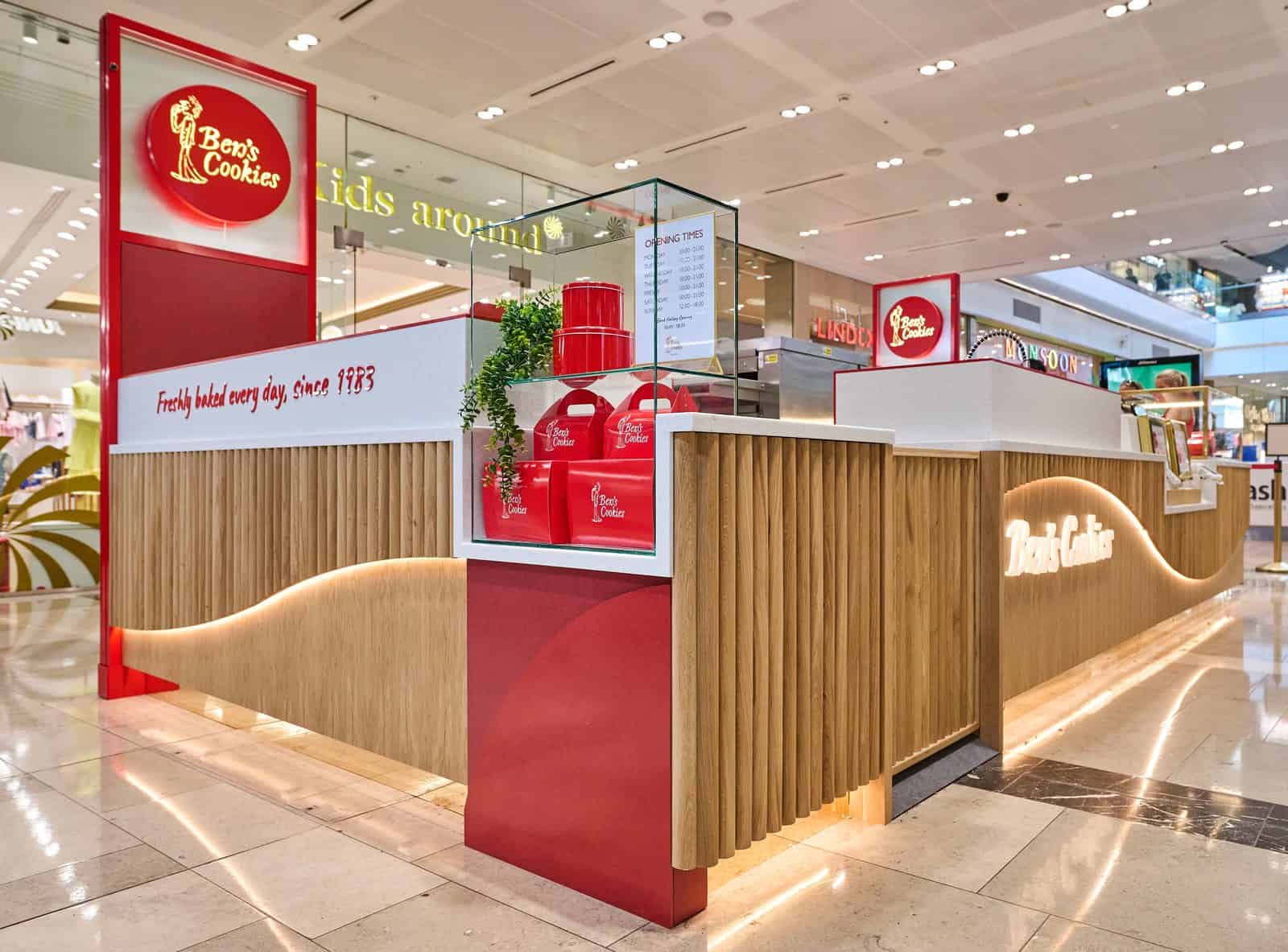
A counter is the one piece of furniture every customer touches. Get it right and it sells, serves and survives years of trade. Get it wrong and staff work around it every day. These are the rules we follow when we draw a counter in our Cardiff workshop.
Standard shop counter sizes
There is no single legal size, but these dimensions work for most retail and hospitality counters.
| Element | Typical size |
|---|---|
| Serving height | 900 to 1,050mm |
| Depth | 600 to 750mm |
| Accessible lowered section | Around 760mm high, 900mm+ wide |
| Staff working space behind | 1,000mm minimum, 1,200mm for two staff |
| Customer queue space in front | 1,200mm minimum |
Start with what goes on and in it
The biggest counter mistakes come from designing the box before listing the equipment. Write down everything that has to live on or under the counter, then design around it.
- Till, card machine, receipt printer and bag storage
- Coffee machines, grinders, chillers and dishwashers in cafes
- Power, data and waste routes, decided before the floor is finished
- Security: lockable drawers and a safe position
- Display: glazed fronts, lighting and product shelves
Choosing materials
Pick materials for the abuse they will take, not just the mood board.
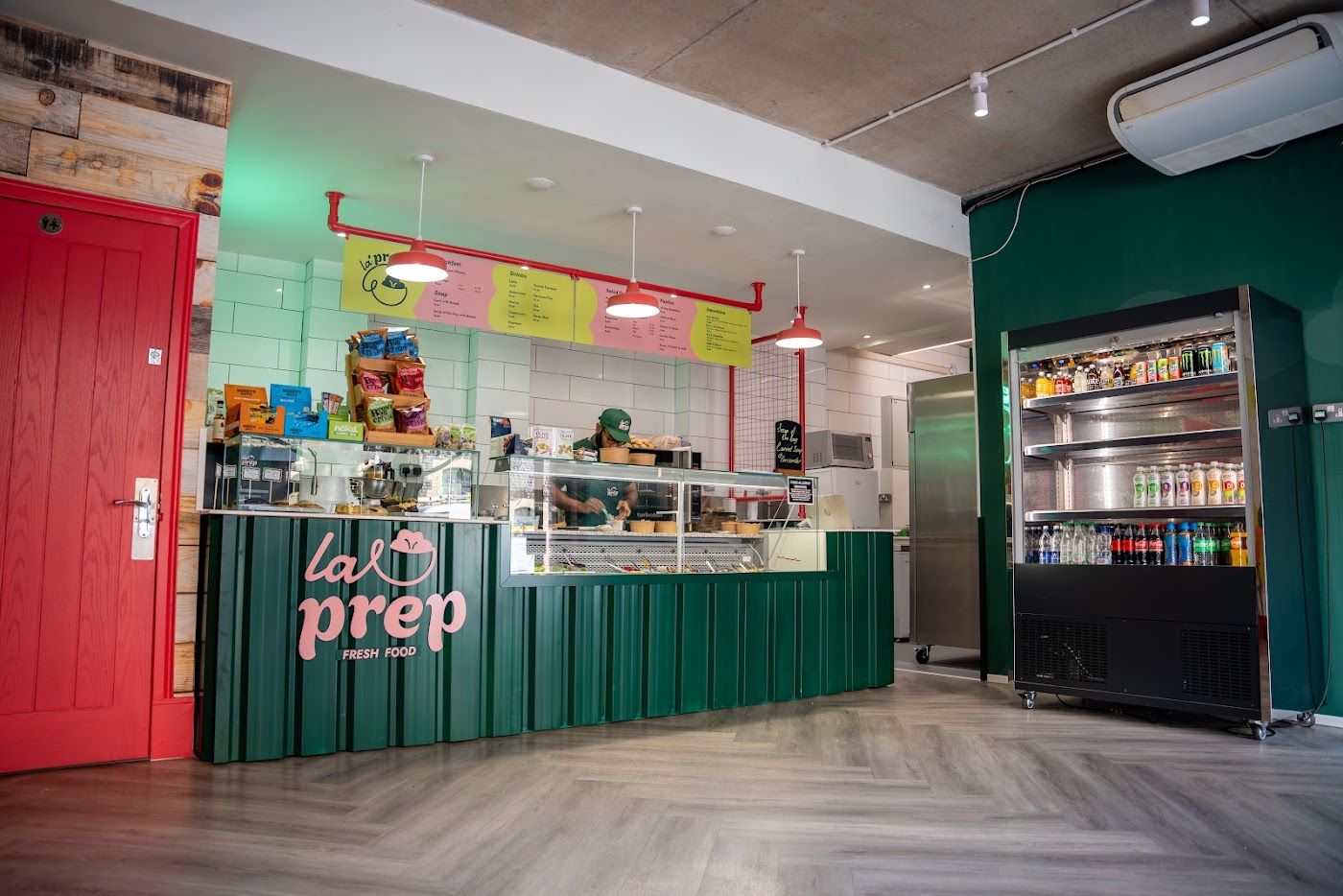
- Laminate and compact grade: tough, affordable and easy to clean, good for busy retail
- Painted or spray-lacquered MDF: any brand colour, best on fronts away from kicks and trolleys
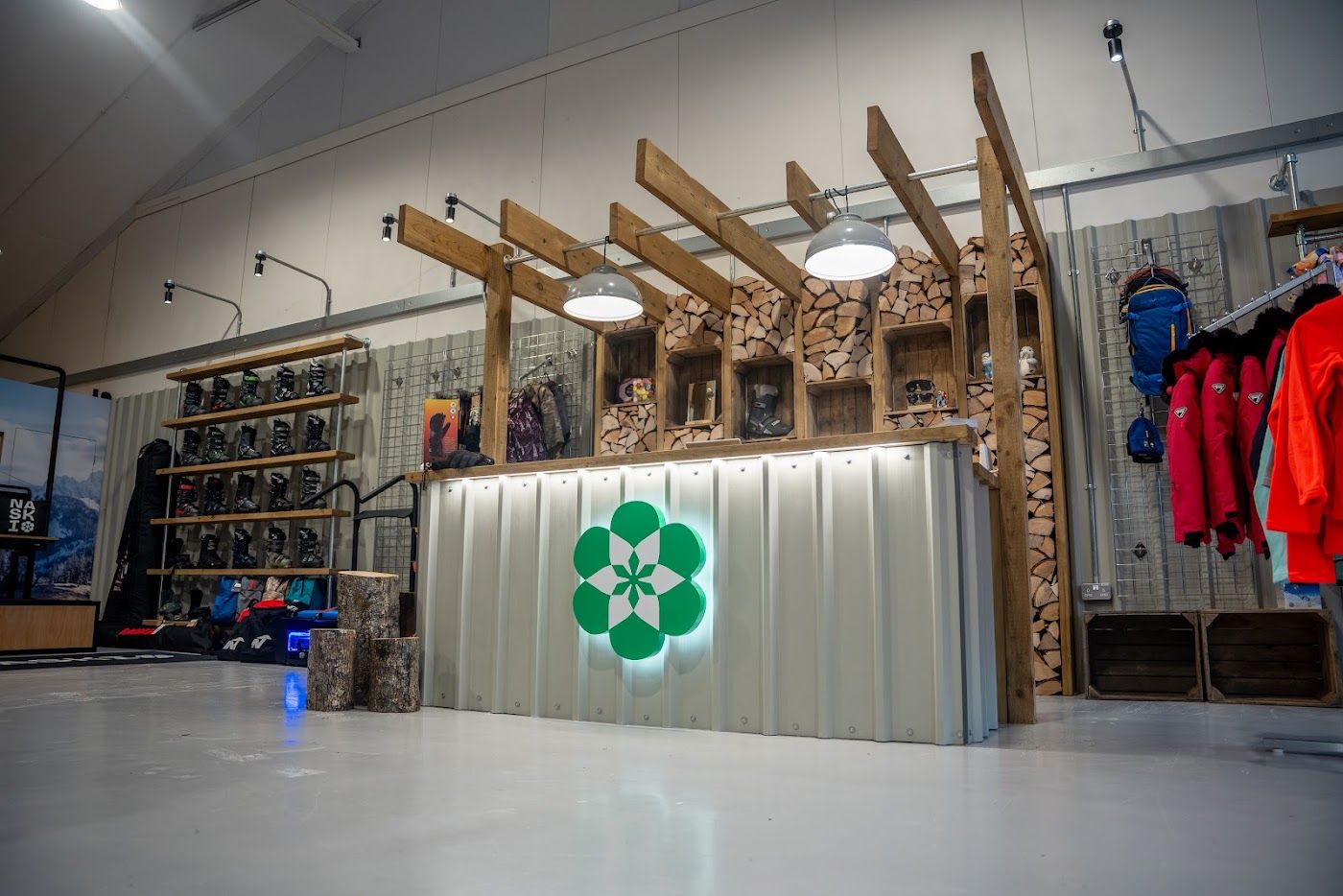
- Hardwood and veneer: warm and premium, needs a hard-wearing lacquer
- Solid surface and Corian: seamless, hygienic and repairable, the best top for food and drink
- Metal and corrugated panels: industrial looks and real durability at kick height
What drives the cost
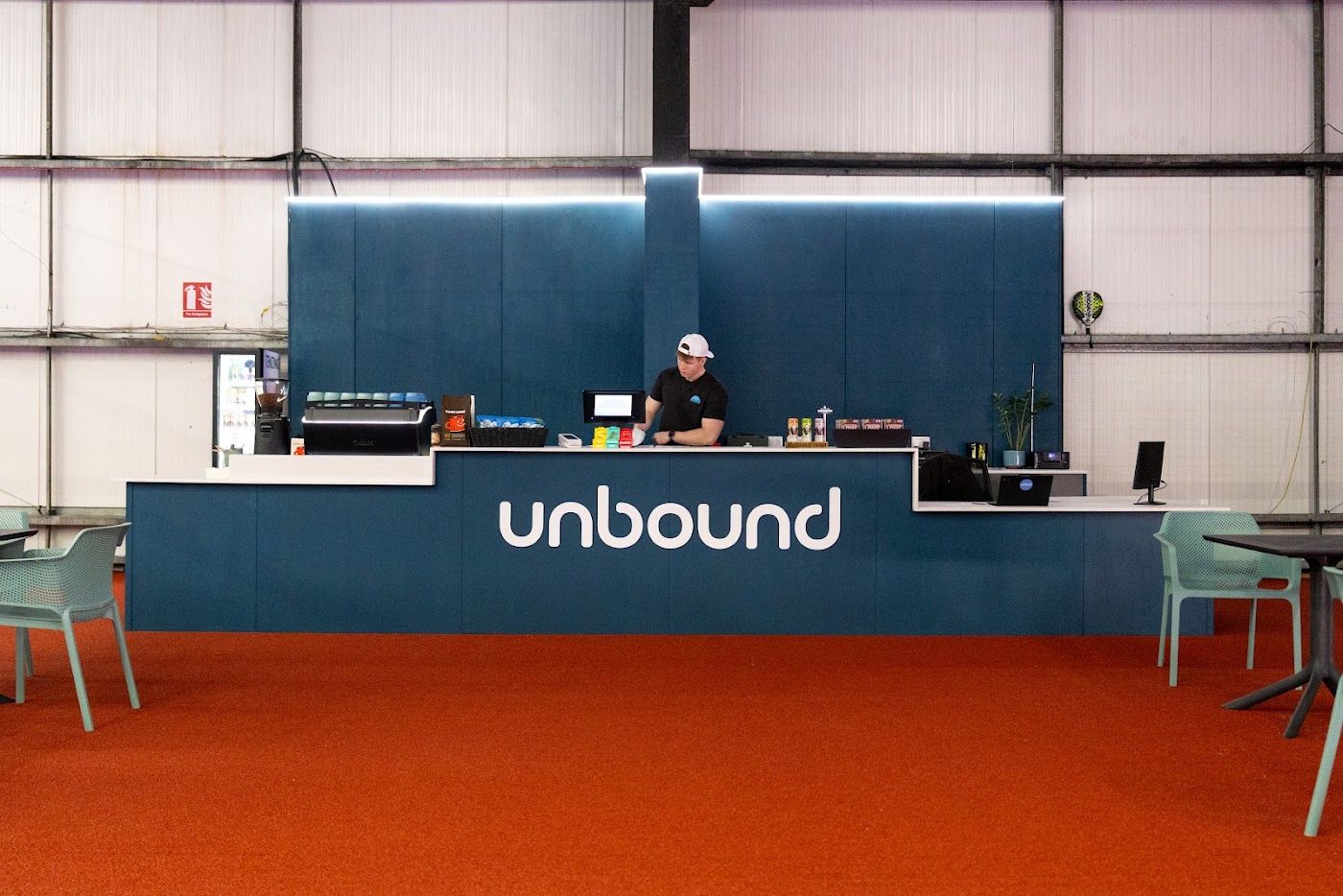
Length, materials, integrated equipment and lighting move the price most. A straight laminate cash desk is a very different job to a curved, lit, Corian-topped cafe servery with refrigerated display.
The best way to get a fair price is to send a floor plan, your equipment list and a couple of reference images. We quote every counter individually so you only pay for what you actually need.
FAQs
Common questions
What is the standard height of a shop counter?
Most serving counters are 900 to 1,050mm high, with a lowered accessible section around 760mm high and at least 900mm wide for wheelchair users.
How deep should a retail counter be?
Typically 600 to 750mm. Deeper counters suit cafes with equipment, while narrow cash desks can work at around 500mm in tight units.
What is the best material for a shop counter top?
Solid surface or Corian for food and drink because it is seamless, hygienic and repairable. Compact laminate is a tough, lower cost choice for busy retail.
How long does a bespoke counter take to make?
Around 3 to 5 weeks in our Cardiff workshop after drawings are signed off, with installation usually completed in a day or overnight.
Project gallery
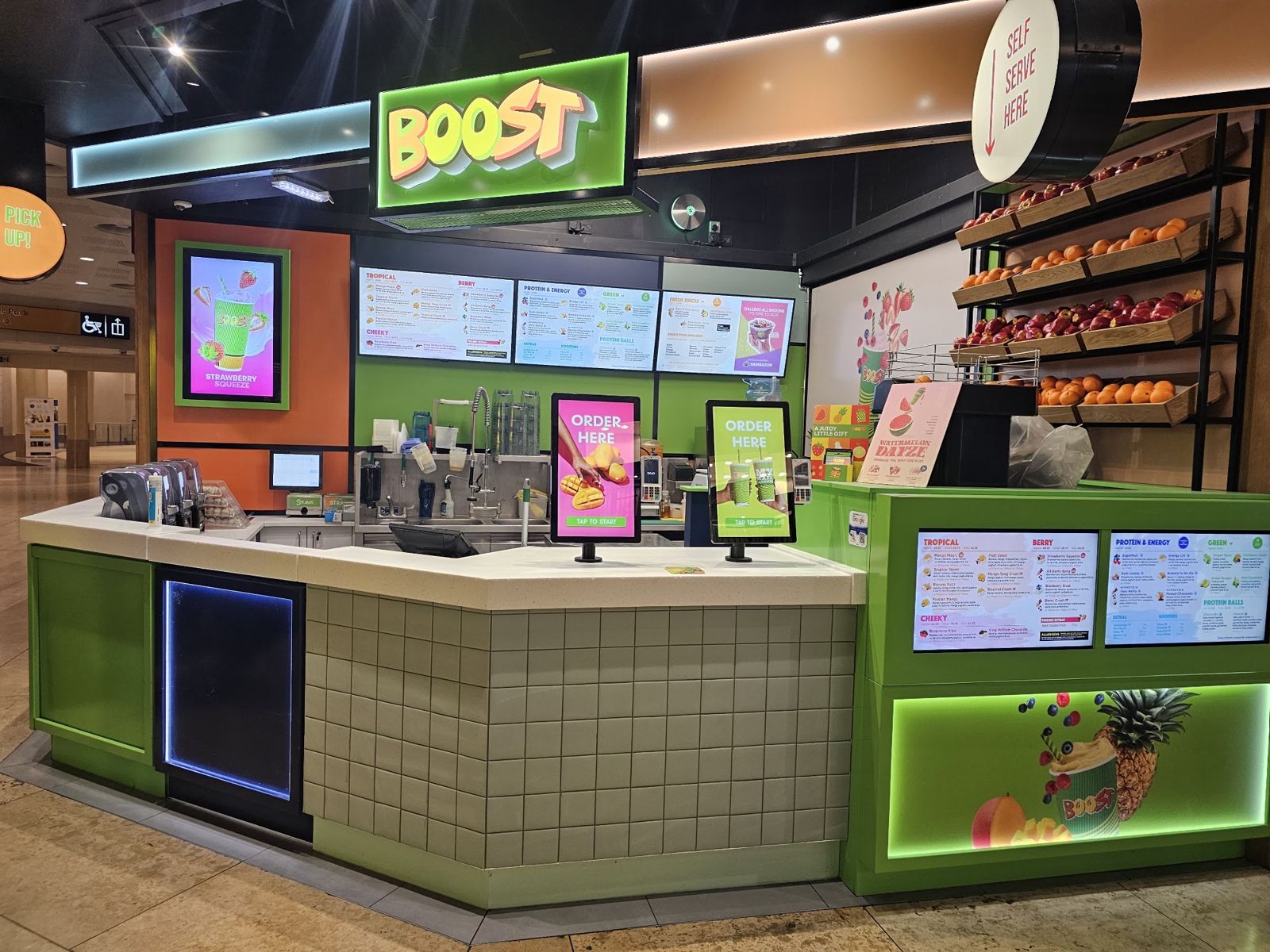
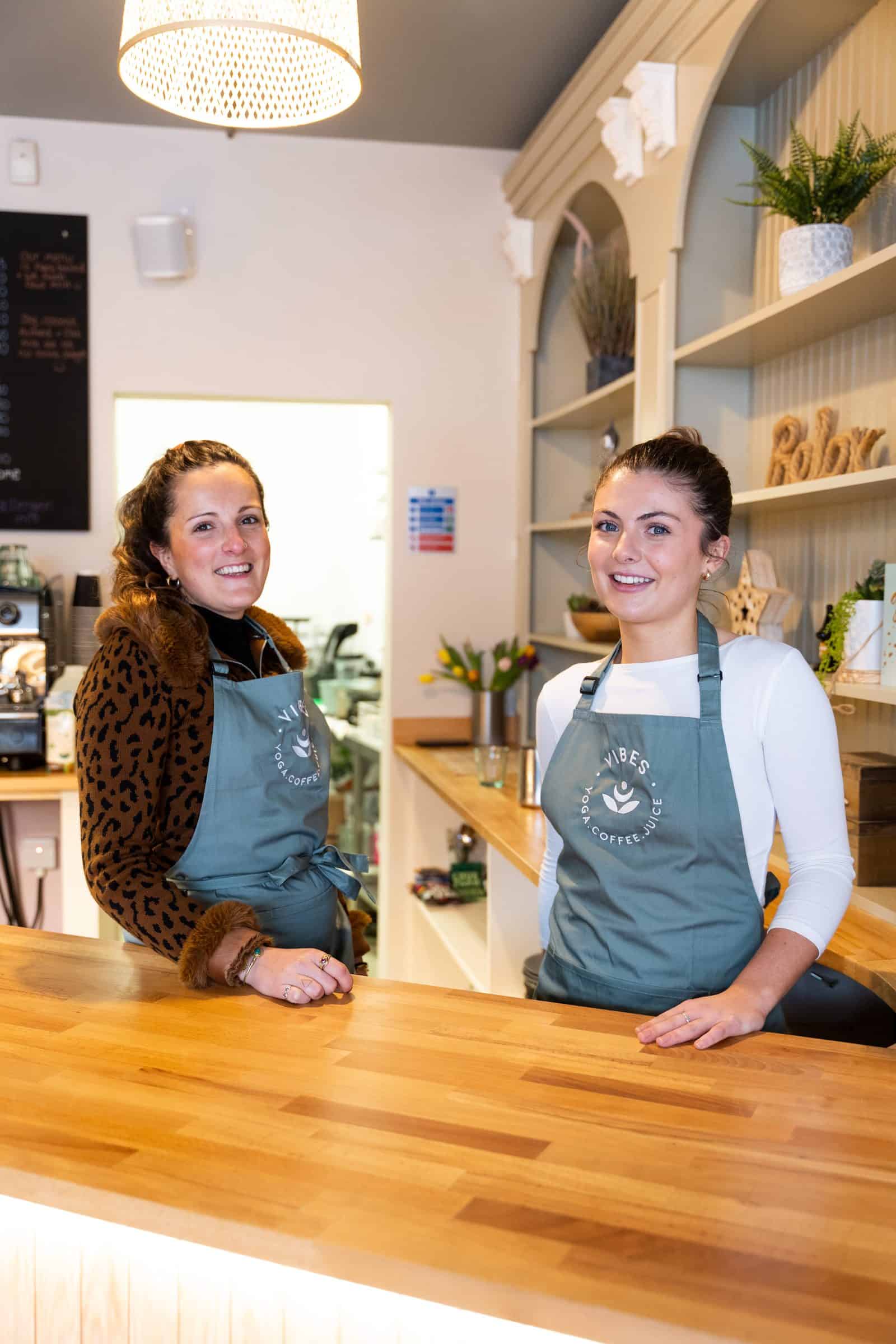
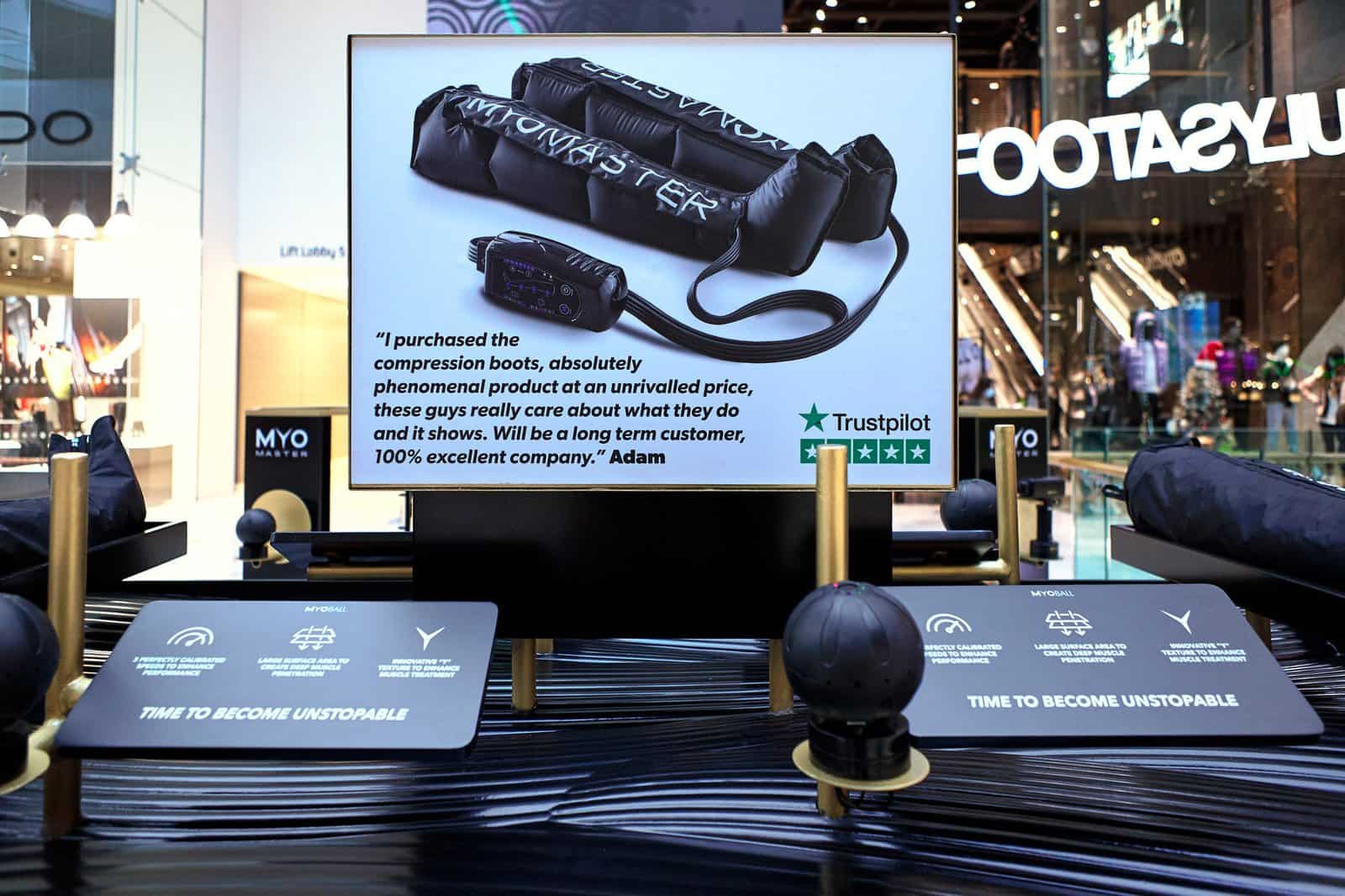
Send us your floor plan, equipment list and a few reference images, and we will draw you a counter that works and give you an honest price.
Written by
Oli Williams, Founder and Managing Director
RAF veteran who founded OLLYWOOD in 2019, with 20 plus years of project management experience in shopfitting and retail fit-out.
Keep reading
Budgets
What Does a Retail Fit-Out Cost in the UK?
Read →
Choosing a contractor
How to Choose a Shopfitter: 10 Questions to Ask
Read →
Process
Landlord Approval for Retail Fit-Outs: A Practical Guide
Read →
Choosing a contractor
What Is a Shopfitter? The Difference Between Shopfitter, Builder and Interior Designer
Read →
Trends
Retail Shopfitting Trends for 2026
Read →
Sustainability
Sustainable Shopfitting: How to Build Retail That Lasts
Read →
Budgets
Office Fit-Out Costs: What You Pay Per Square Foot
Read →
Materials
Corian and Solid Surface Worktops: Costs, Care and Where They Win
Read →Process
What Is a Retail Kiosk or RMU? Costs, Lead Times and Mall Rules
Read →Budgets
Shop Fitting Costs: What You Pay Per Square Metre
Read →
Kiosks
Opening a Kiosk in a Shopping Centre: Rules, Approvals and Lead Times
Read →
Materials
Bespoke Joinery or Off-the-Shelf: What Retail Should Actually Buy
Read →Budgets
Cafe Fit-Out Cost: Real 2026 Budgets
Read →
Budgets
Cat A vs Cat B Fit-Out: Costs and Differences
Read →