
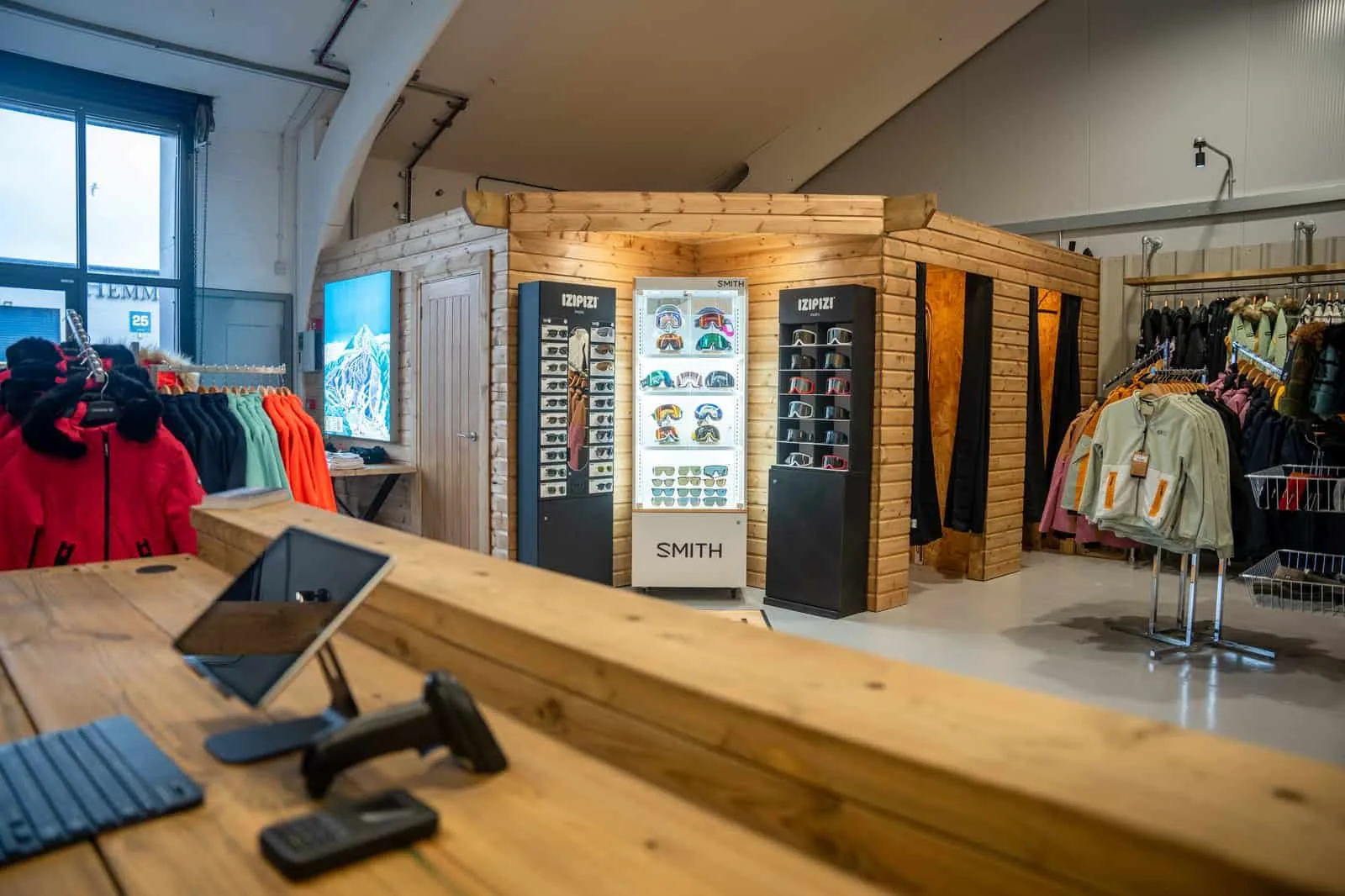
Materials · 23 September 2026 · 7 min read
Bespoke Joinery or Off-the-Shelf: What Retail Should Actually Buy
Quick answer: buy bespoke for anything customers touch or that has to fit an awkward space, which usually means the counter, the shopfront zone and feature display. Buy off-the-shelf for back of house, stockroom shelving and standard rail systems. Bespoke typically costs two to three times a catalogue equivalent, but lasts longer, fits exactly and carries the brand.
Every retail budget hits the same question. Do you commission joinery or buy it from a catalogue? The honest answer is both, in the right places. Here is how we split it.
Where bespoke pays for itself
Bespoke is worth the money when the space is irregular, when the fitting carries the brand, or when it takes daily abuse. A counter is all three at once.
- Counters and cash desks, where height, storage and cable routes are specific to how you trade
- Anything against an out of square wall, a bulkhead or a column, where a catalogue unit leaves dead gaps
- Feature display and shopfront zones, the part that makes people walk in
- Solid surface tops and food service areas, where seamless joints and hygiene matter
- Fittings that must be demountable and reused across sites
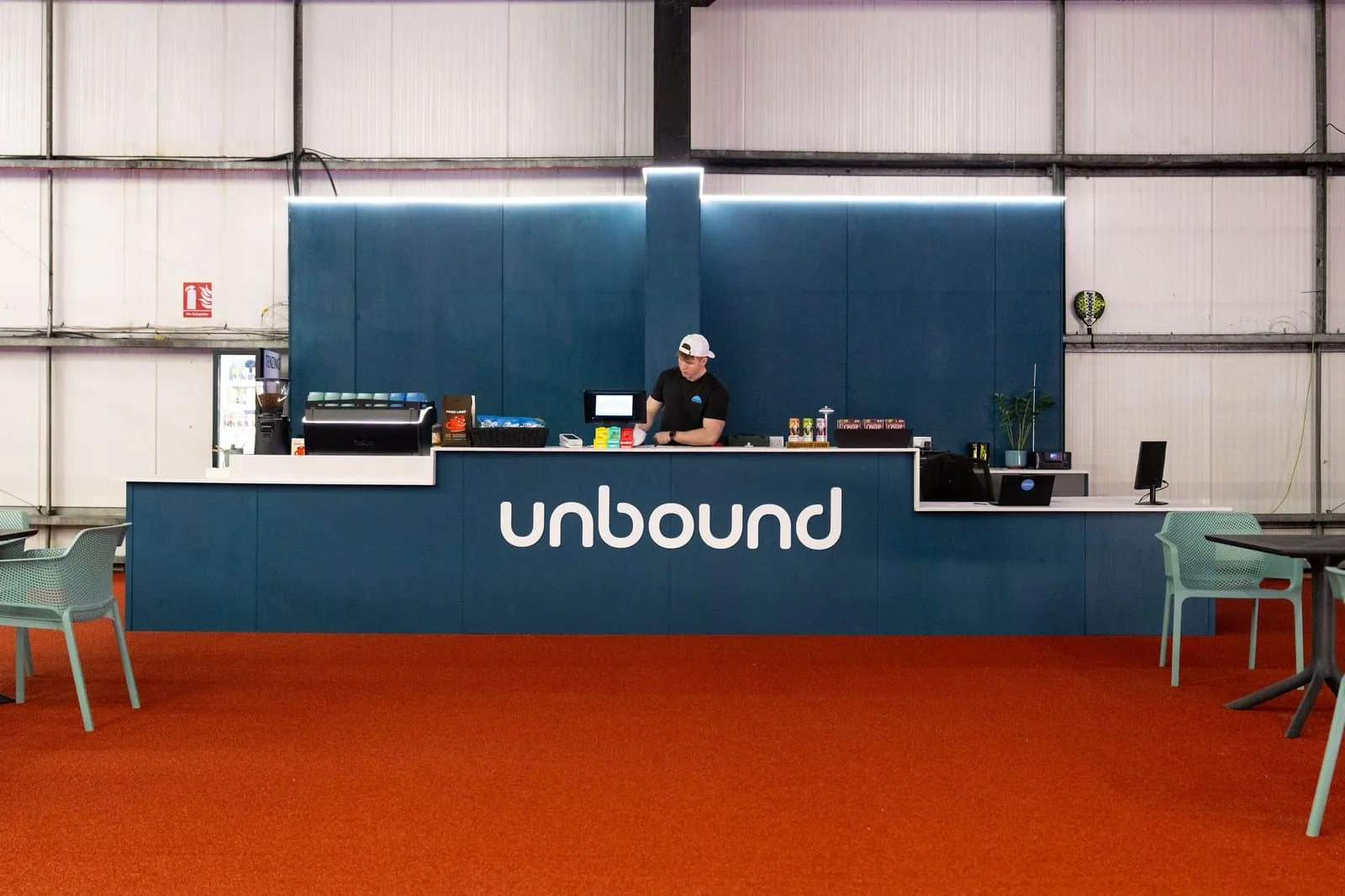
Where off-the-shelf wins
Catalogue systems are cheaper, faster and easy to replace. In the right places they are simply the better buy, and nobody will ever notice.
- Stockroom and back of house shelving
- Standard slatwall, gondolas and rail systems where the product is the feature
- Loose furniture, seating and bins
- Anything you expect to change within two seasons
What the difference costs
These are indicative 2026 ranges for a typical retail interior, supplied and installed.
| Item | Off-the-shelf | Bespoke |
|---|---|---|
| Sales counter | £1,200 to £3,000 | £4,000 to £12,000 |
| Display wall, 3m run | £900 to £2,000 | £3,000 to £7,500 |
| Fitting rooms, pair | £1,500 to £3,500 | £4,500 to £9,000 |
| Stockroom shelving, 5m run | £400 to £900 | Rarely worth bespoke |
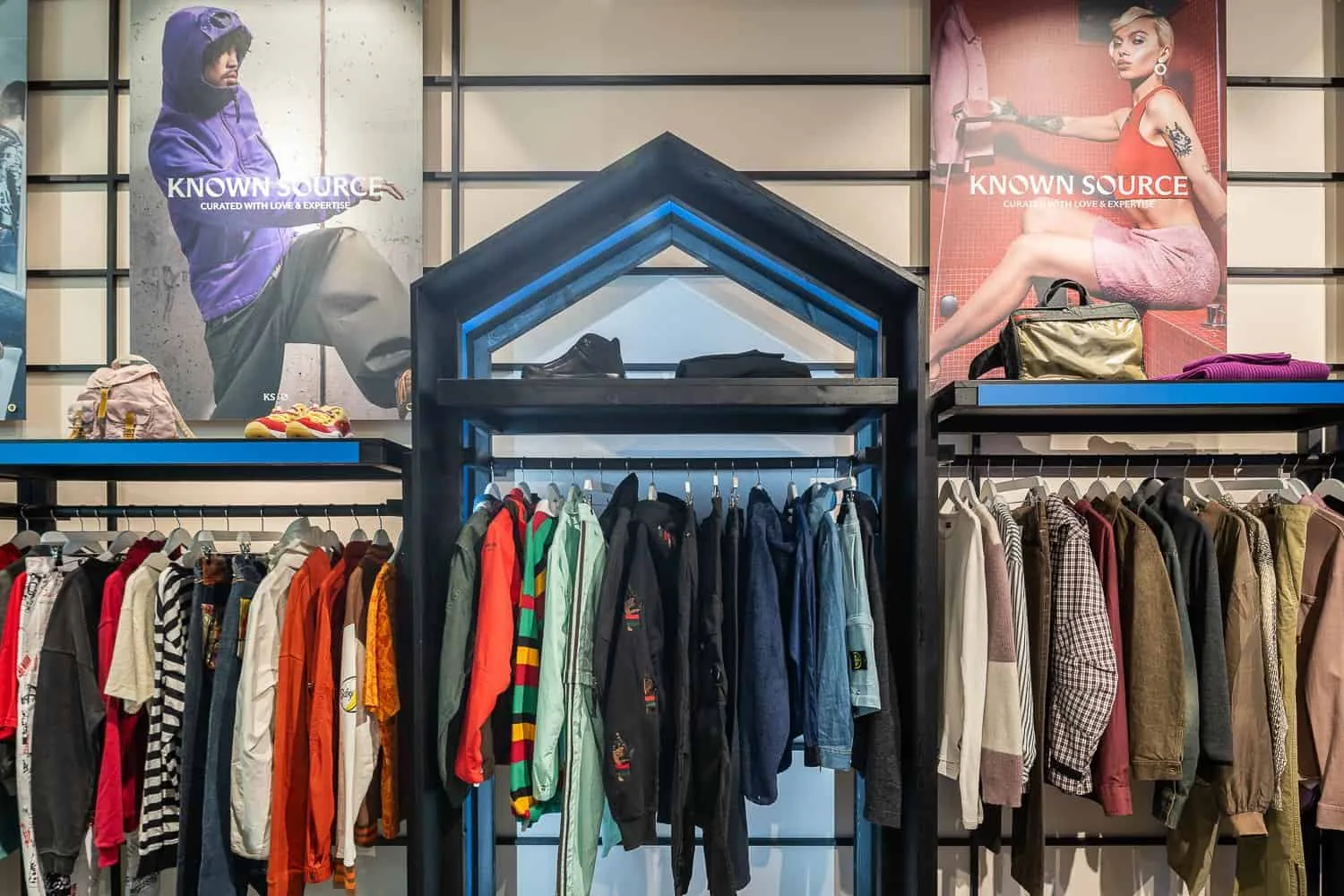
How to tell good joinery from a cheap copy
Look at the edges, the carcass material and how services are hidden. Those three tell you almost everything about how a fitting will look in year three.
- Solid or laminated hardwood edging rather than thin iron-on tape
- Moisture resistant board in wet and food areas, not standard MDF
- Cable routes, sockets and data planned into the carcass, not drilled later
- Removable panels for maintenance access
- Consistent shadow gaps and reveals instead of scribed filler strips
A sensible split
On most of our retail projects, bespoke joinery takes 25 to 40 per cent of the fit-out budget and covers the counter, the entrance zone and one feature element. Everything else is standard systems.
That split gives a space that photographs well, survives trading and can still be reconfigured cheaply when the range changes.
FAQs
Common questions
Is bespoke joinery worth the extra cost in retail?
For counters, entrance zones, feature display and anything fitting an irregular space, yes. Bespoke costs roughly two to three times a catalogue equivalent but fits exactly, carries the brand and survives daily trading. For stockrooms and standard rail systems, catalogue units are the better buy.
How much does a bespoke retail counter cost?
Typically £4,000 to £12,000 supplied and installed in 2026, depending on size, worktop material and integrated services. A catalogue counter of similar size is usually £1,200 to £3,000.
How long does bespoke joinery take to make?
Three to five weeks in the workshop after drawings are signed off, plus installation. Solid surface elements and specialist veneers can add one to two weeks of material lead time.
Can bespoke joinery be moved to another shop?
If it is designed that way, yes. Demountable carcasses, bolted connections and separate plinths let a counter or display wall be lifted and reinstalled, which is common for brands running short leases or pop-ups.
Project gallery

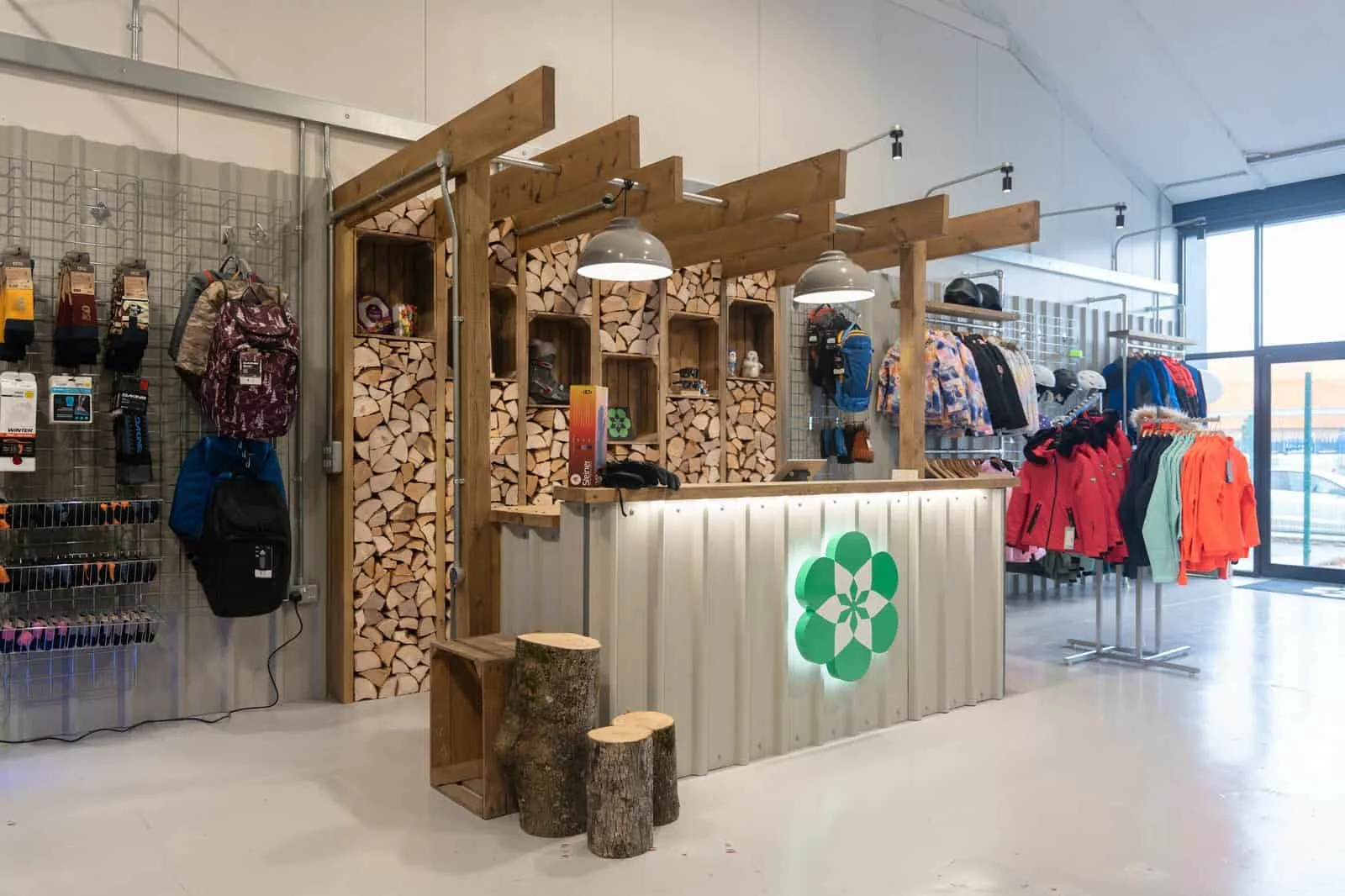
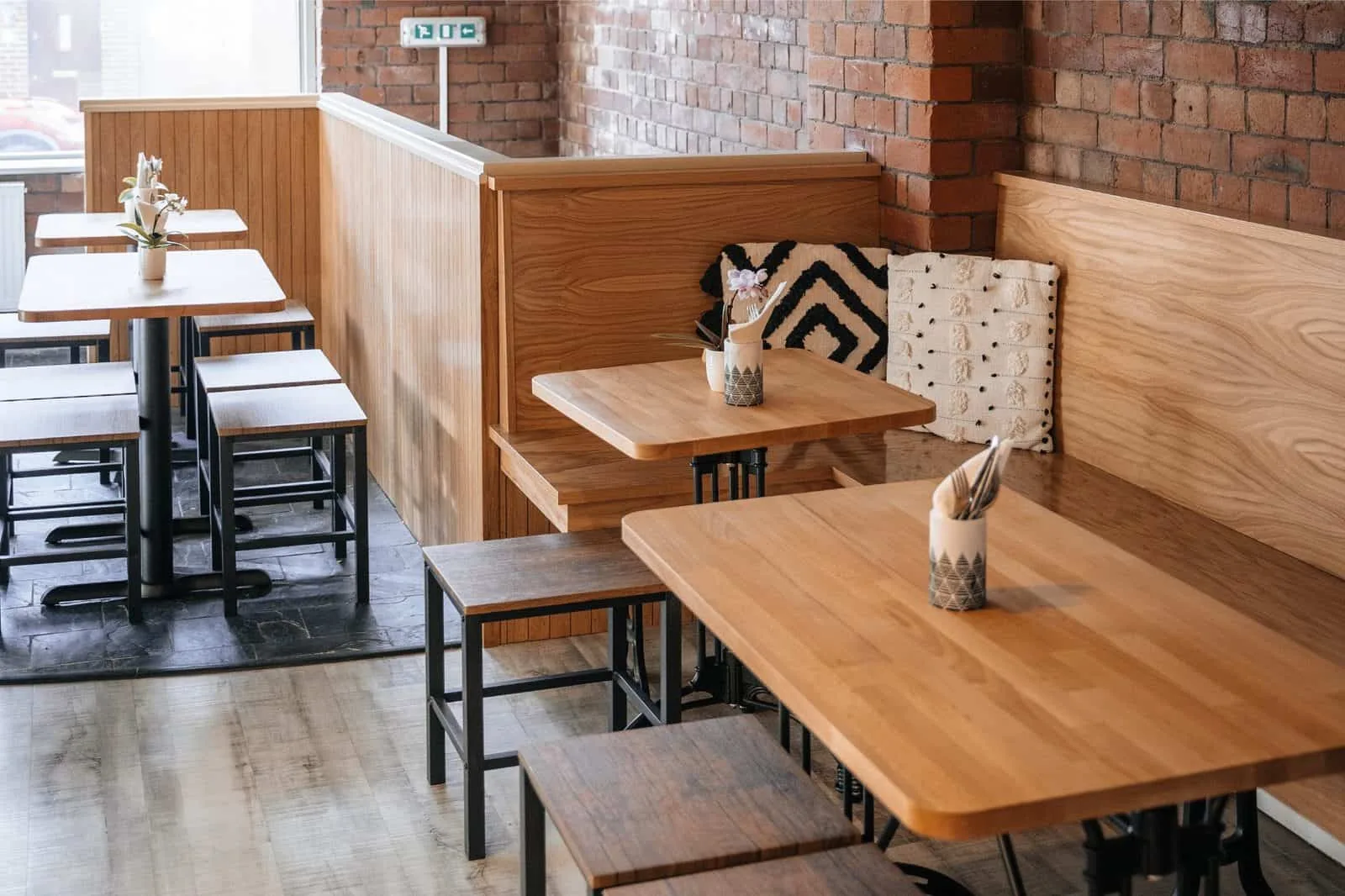
Send us your layout and we will mark up what is worth making and what you should buy, with a price against each.
Written by
Oli Williams, Founder and Managing Director
RAF veteran who founded OLLYWOOD in 2019, with 20 plus years of project management experience in shopfitting and retail fit-out.
Keep reading
Project stories
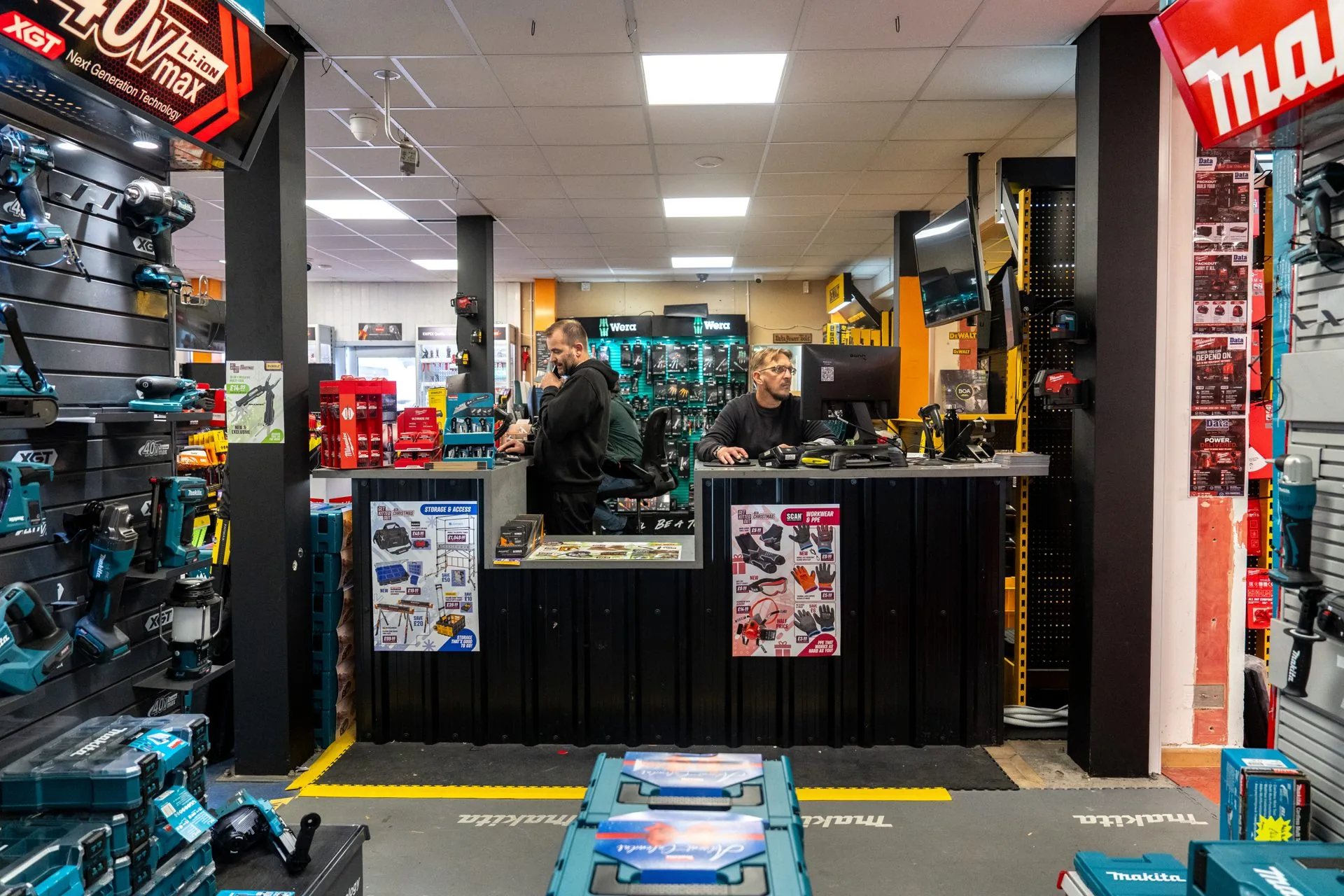
Data Power Tools: A Trade Counter That Works
Read →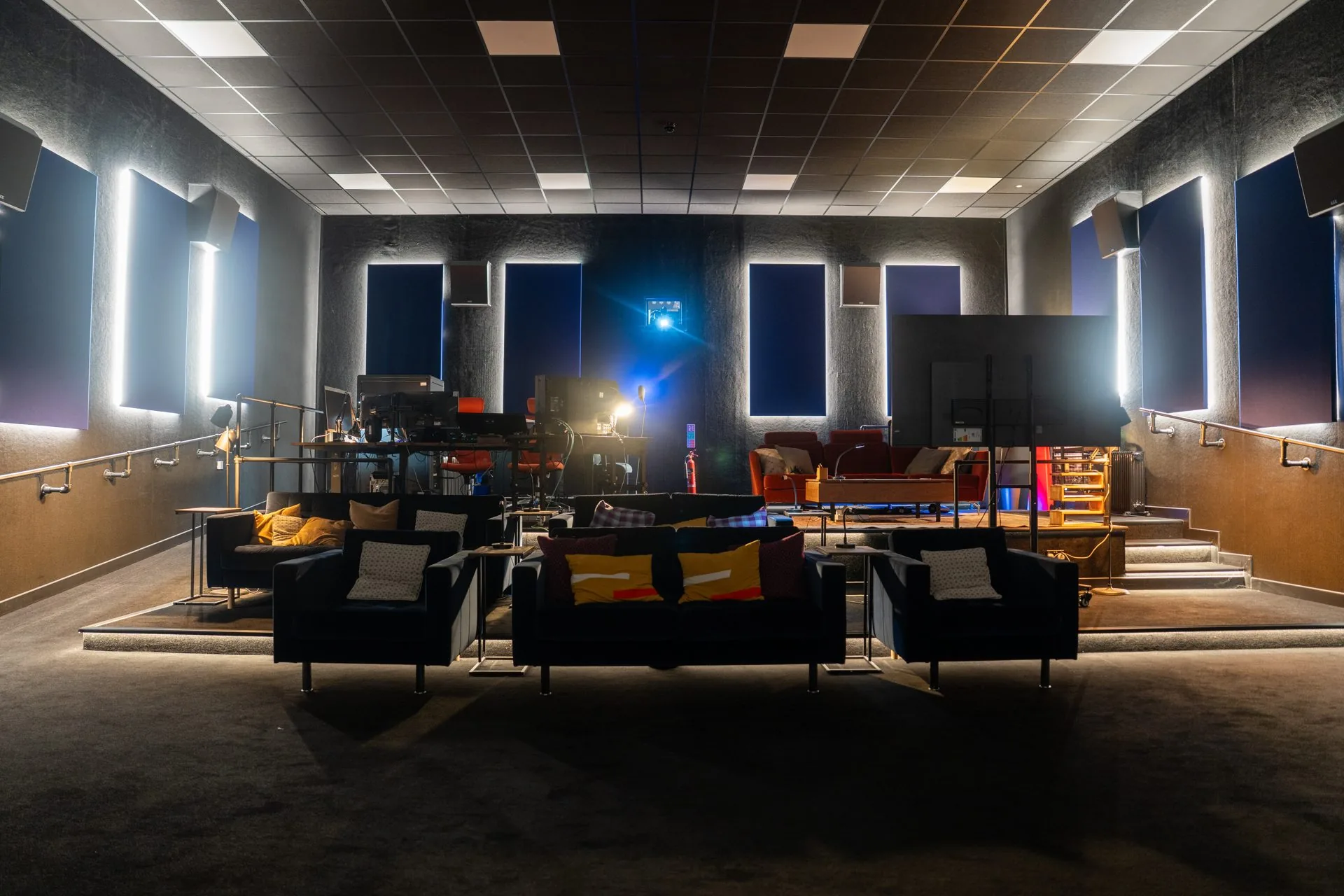
Project stories
Gelert Post Production Studio: From Shell to Studio
Read →
Budgets
What Does a Retail Fit-Out Cost in the UK?
Read →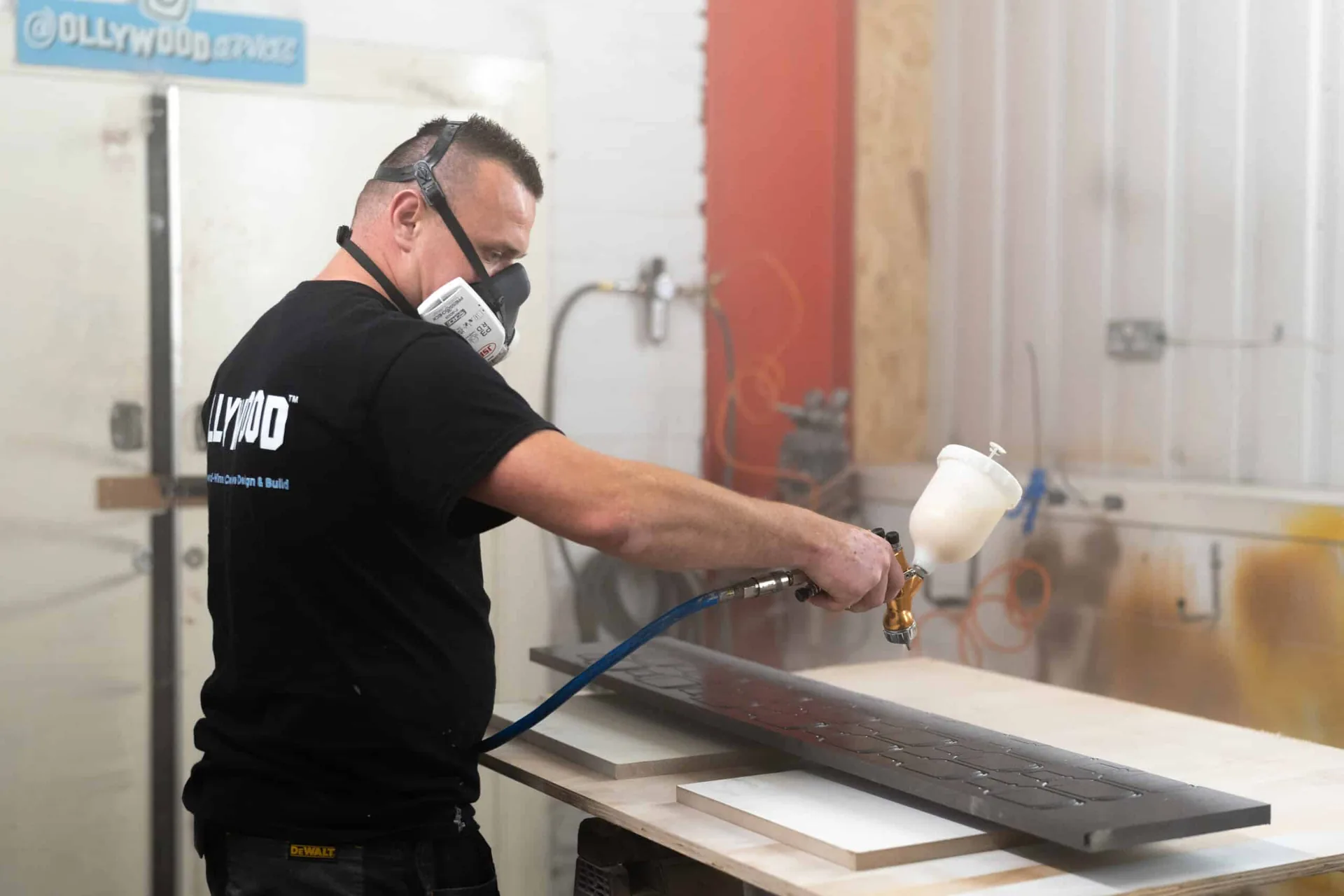
Choosing a contractor
How to Choose a Shopfitter: 10 Questions to Ask
Read →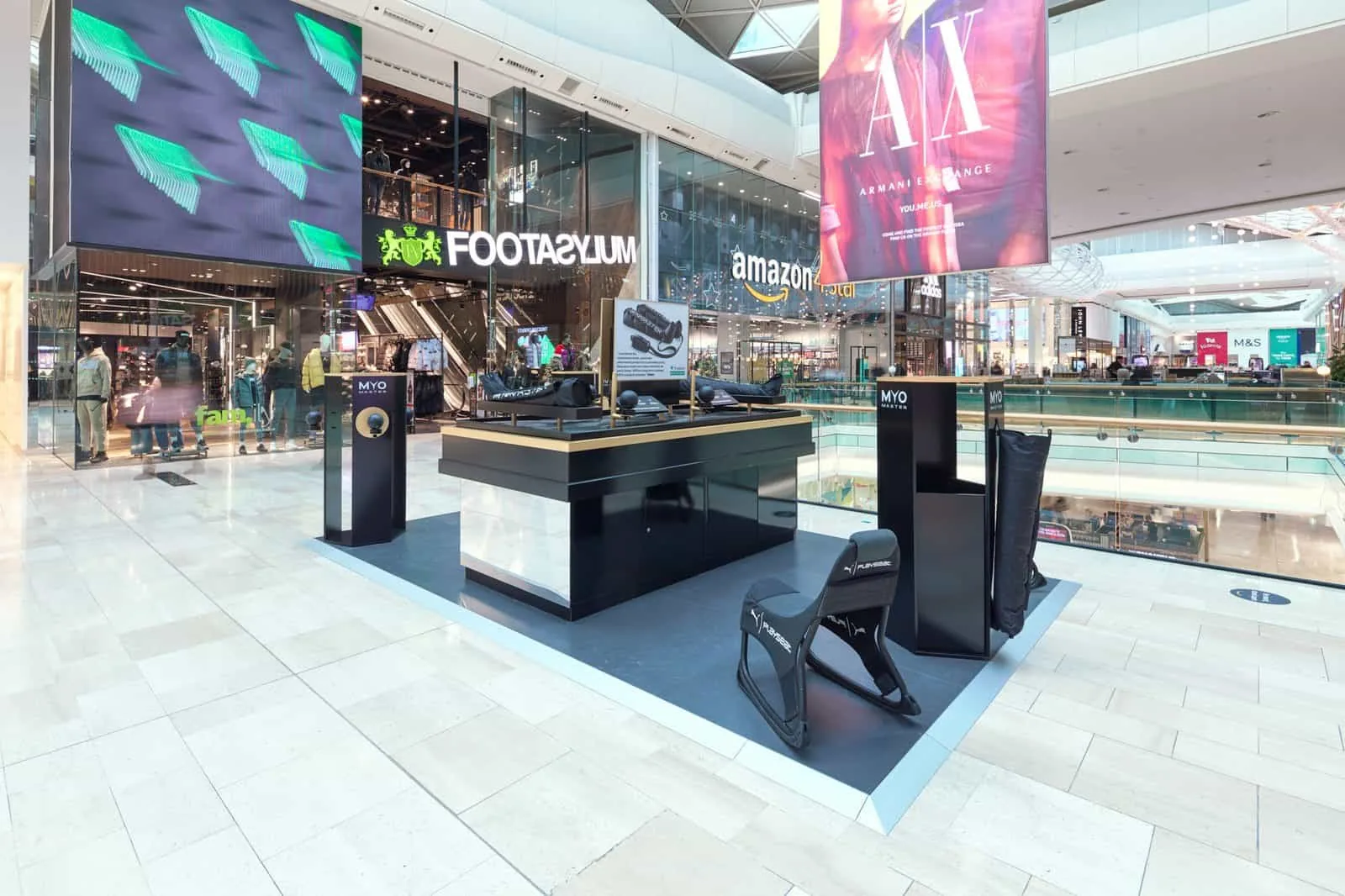
Process
Landlord Approval for Retail Fit-Outs: A Practical Guide
Read →
Choosing a contractor
What Is a Shopfitter? The Difference Between Shopfitter, Builder and Interior Designer
Read →
Trends
Retail Shopfitting Trends for 2026
Read →
Sustainability
Sustainable Shopfitting: How to Build Retail That Lasts
Read →
Budgets
Office Fit-Out Costs: What You Pay Per Square Foot
Read →
Materials
Corian and Solid Surface Worktops: Costs, Care and Where They Win
Read →Process
What Is a Retail Kiosk or RMU? Costs, Lead Times and Mall Rules
Read →Budgets
Shop Fitting Costs: What You Pay Per Square Metre
Read →
Kiosks
Opening a Kiosk in a Shopping Centre: Rules, Approvals and Lead Times
Read →
Budgets
Cafe Fit-Out Cost: Real 2026 Budgets
Read →
Budgets
Cat A vs Cat B Fit-Out: Costs and Differences
Read →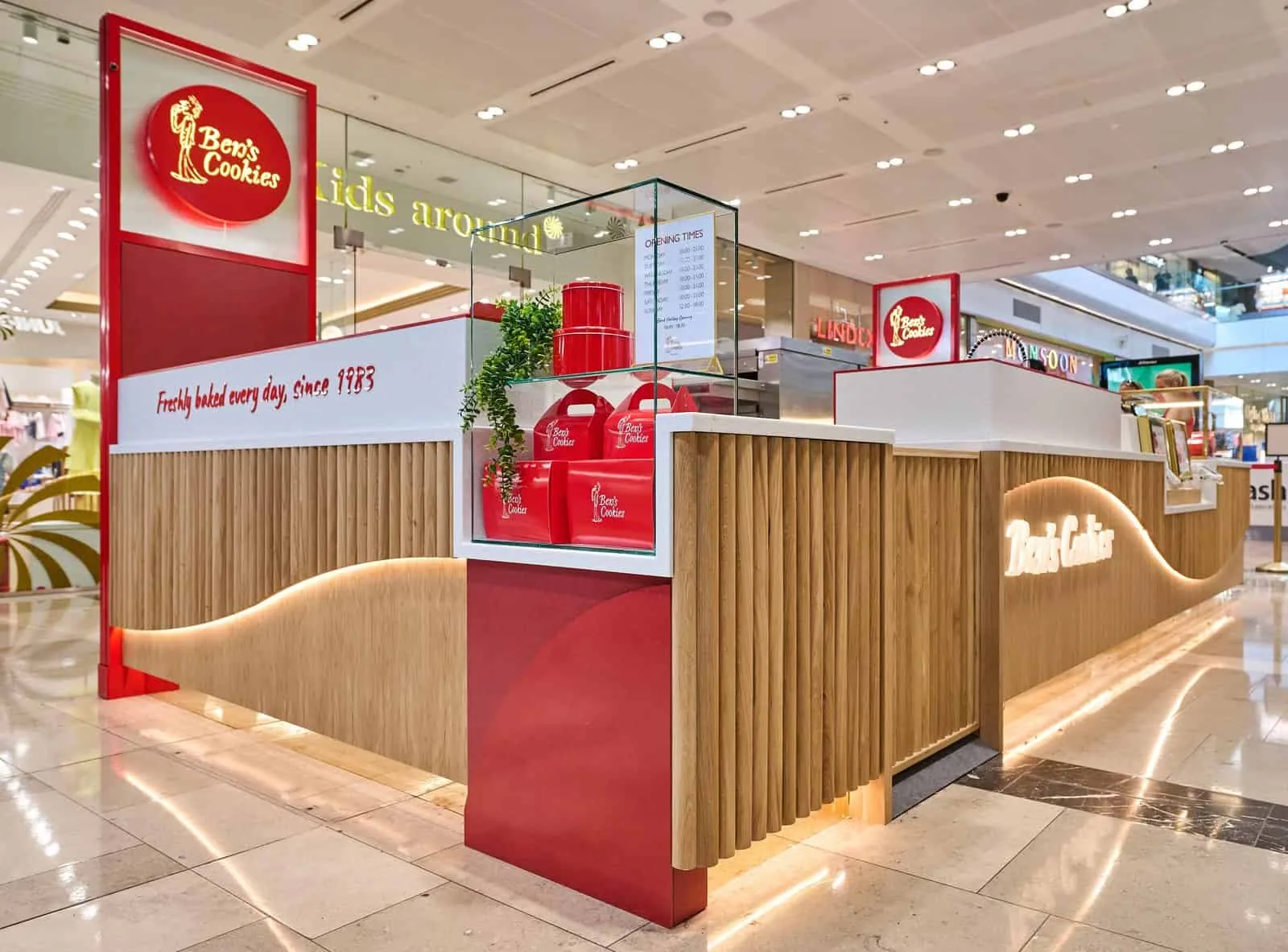
Design
Shop Counter Design: Sizes, Materials and Costs
Read →